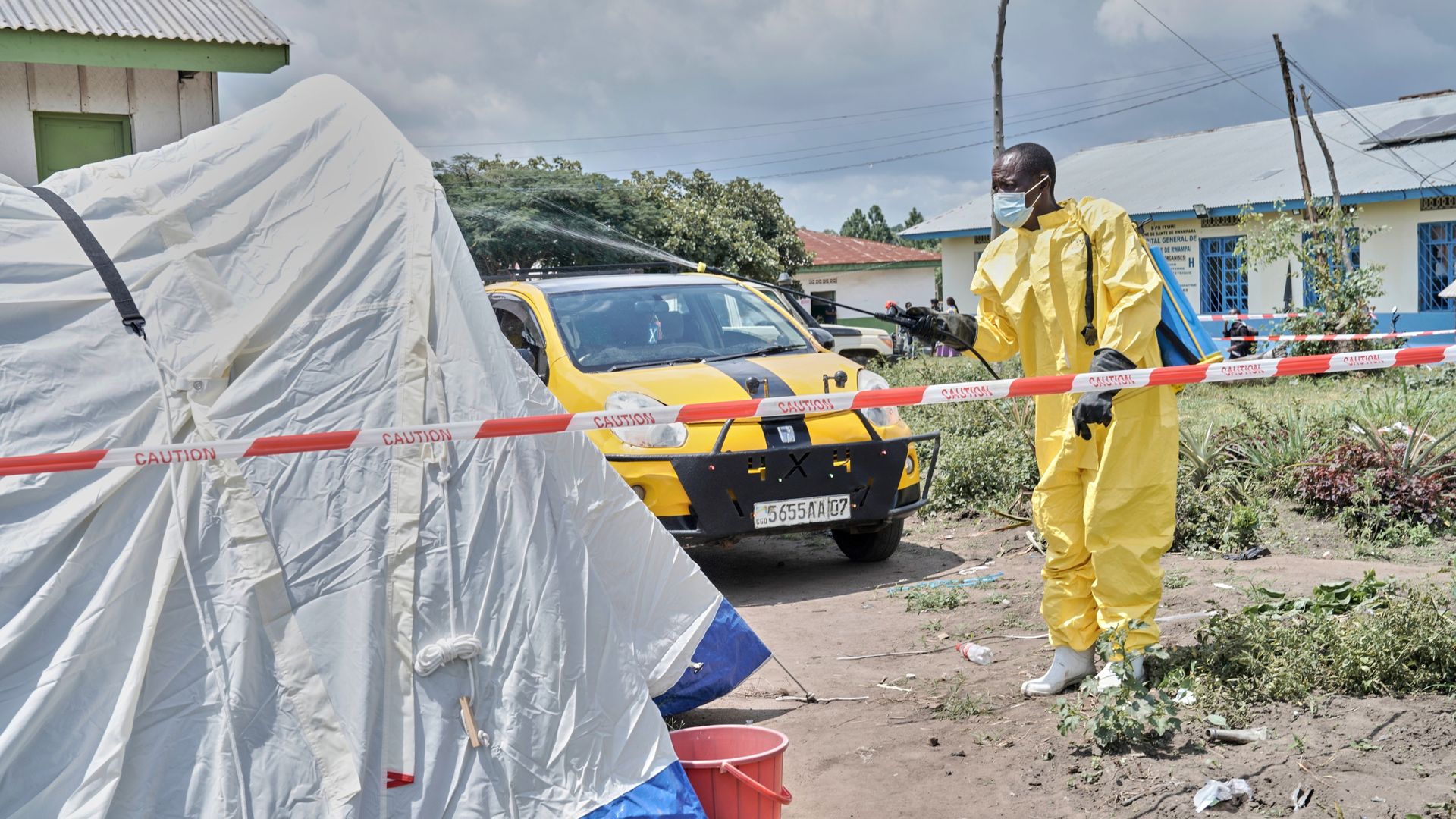
Ebola Suspected Cases Top 600 in Congo, Uganda; More Expected
The World Health Organization confirmed over 600 suspected Ebola cases in Congo and Uganda, with further increases anticipated.
The World Health Organization (WHO) has reported that the number of suspected Ebola cases has surpassed 600, stemming from an ongoing outbreak that spans both the Democratic Republic of Congo and Uganda. This grim milestone underscores the escalating public health challenge posed by the highly contagious and often fatal disease.
The outbreak's geographical spread across two neighboring nations complicates containment efforts and raises concerns about its potential to further disseminate. Health authorities are working to coordinate responses and track the movement of individuals who may have been exposed.
Officials have indicated that the current figures represent only suspected cases, meaning the actual number of infections could be higher. The WHO has expressed concerns that the situation may worsen, with projections suggesting an increase in the number of cases in the coming weeks. This forecast is based on the observed patterns of transmission and the challenges inherent in controlling outbreaks in the affected regions.
The escalating case count signals a critical juncture in the response, requiring intensified surveillance, contact tracing, and the rapid deployment of medical resources. International cooperation and swift action are deemed essential to curb the spread and mitigate the impact on vulnerable populations.
Ebola virus disease (EVD) is characterized by fever, severe headache, muscle pain, fatigue, and, in more severe cases, vomiting, diarrhea, rash, and internal and external bleeding. The virus is transmitted to people from wild animals and spreads between humans through direct contact with infected bodily fluids. The fatality rate for EVD can be as high as 90% and is a significant concern for public health organizations.
Public health agencies are reinforcing measures to prevent further transmission, including promoting safe burial practices and providing access to treatment centers. The swift identification and isolation of new cases remain paramount in breaking the chains of transmission. Awareness campaigns are also being conducted to educate communities about preventative measures and to encourage prompt reporting of potential symptoms.
While the exact origin and timeline of the current outbreak remain subjects of ongoing investigation, the focus is firmly on implementing effective control strategies. The WHO is coordinating with national health ministries and international partners to mobilize personnel, supplies, and expertise to support the front-line response.
Further details on specific regional impacts and the efficacy of current interventions are expected as data collection and analysis continue. The global health community remains vigilant, prepared to adapt strategies as the outbreak evolves.
This article was written by AI based on publicly available news reporting. Original reporting by the linked source.