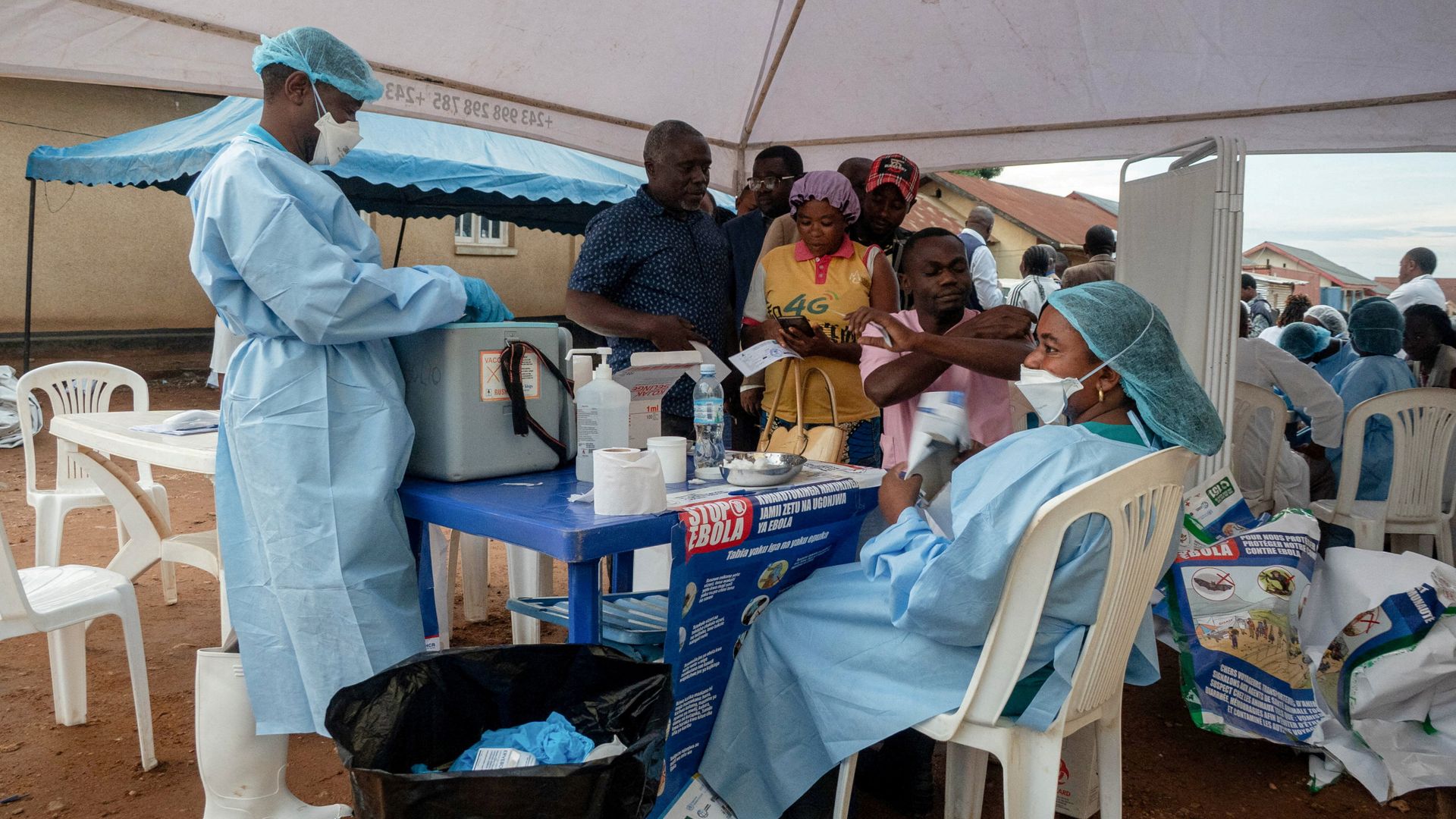
DRC Ebola Cases Top 10,000 Amidst Nurse's Machete Killing
Ebola cases in the DRC have exceeded 10,000, coinciding with a deadly attack on a nurse by an angry mob.
The Democratic Republic of Congo (DRC) has officially surpassed 10,000 reported cases of Ebola, according to recent government data. This grim milestone underscores the persistent and devastating impact of the epidemic in the region, fueling concerns about its potential to spread further across Africa.
The escalating case count highlights the immense challenge faced by health officials and aid organizations working to contain the virus. The outbreak, which began in August 2018, has been characterized by its rapid spread and the difficulty in reaching remote communities, as well as significant resistance from some local populations.
Adding to the crisis, a nurse who was actively treating Ebola patients was tragically killed by a machete-wielding mob. This violent act underscores the deep-seated mistrust and fear that some communities harbor towards health workers and the Ebola response efforts, further complicating containment strategies.
The killing of the nurse is a stark reminder of the dangerous environment in which frontline responders operate. Such incidents not only endanger individuals but also severely disrupt critical medical interventions, potentially leading to increased transmission as people flee or avoid treatment centers.
Health authorities have repeatedly emphasized the importance of community engagement and trust-building to overcome resistance and ensure effective treatment and prevention. However, the attack on the nurse indicates that these efforts still face significant hurdles. The government and international partners are working to address the security concerns for healthcare workers while simultaneously trying to regain the confidence of affected communities.
This latest development comes as the World Health Organization (WHO) and other global health bodies continue to monitor the situation closely. While the current outbreak has largely been contained within the DRC's borders, the risk of cross-border transmission remains a significant concern, especially given the region's porous borders and frequent population movements.
Experts have pointed to a combination of factors contributing to the epidemic's longevity and scale, including insecurity in the affected areas, complex social dynamics, and the need for culturally sensitive approaches to public health messaging. The killing of the nurse adds another layer of complexity to an already challenging public health emergency.
Moving forward, a dual approach focusing on both enhanced security for health personnel and intensified community dialogue will be crucial. The international community's continued support, both in terms of resources and expertise, will be vital in navigating these challenges and ultimately bringing the epidemic to an end.
This article was written by AI based on publicly available news reporting. Original reporting by the linked source.