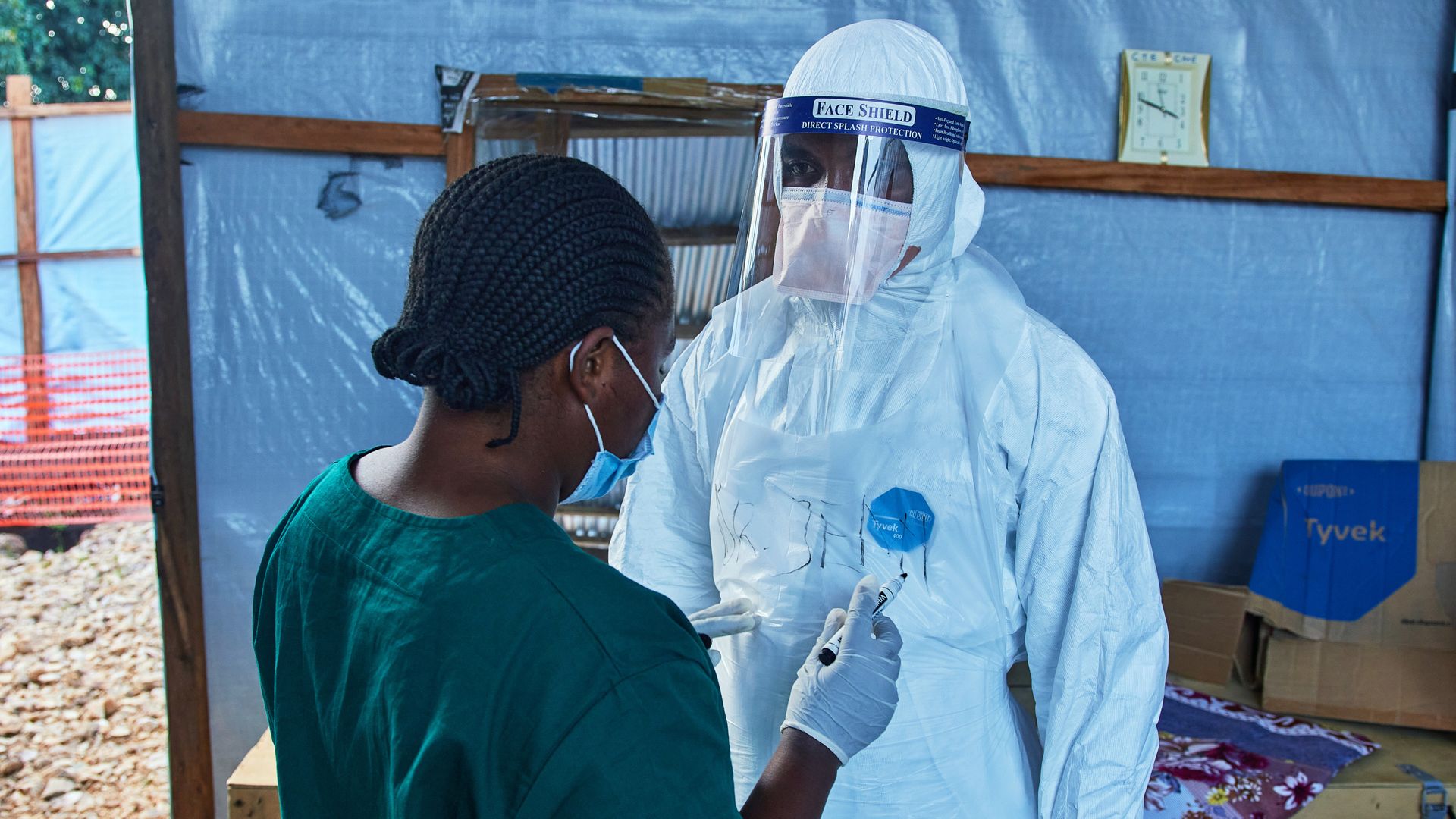
DRC Ebola Outbreak Claims 930 Lives, Becomes Fastest Growing Epidemic
DRC's health ministry reports 930 deaths, marking the Ebola outbreak as the fastest growing epidemic on record.
The Ebola epidemic in the Democratic Republic of Congo (DRC) has now claimed 930 lives, according to the country's health ministry. This grim milestone underscores the escalating crisis, which has become the fastest-growing Ebola epidemic on record.
The current outbreak, which began in August 2018, has spread rapidly across several health zones in the DRC's North Kivu and Ituri provinces. The densely populated and conflict-affected regions present significant challenges to containment efforts. The virus's relentless spread has overwhelmed local health infrastructure and international response teams.
As of the latest figures, the number of confirmed and probable cases continues to climb, with the death toll now exceeding 900. Health officials are working tirelessly to trace contacts, provide treatment, and implement vaccination campaigns, but the ongoing insecurity and mistrust within some communities hinder progress.
The rapid progression and scale of this outbreak have raised serious concerns among global health organizations. The World Health Organization (WHO) has been coordinating international efforts, but the nature of the epidemic, coupled with the complex operating environment, necessitates sustained and robust support.
Previous Ebola outbreaks, while devastating, have generally been contained more effectively. The speed at which this epidemic has grown is unprecedented, attributed in part to the difficult terrain, persistent armed conflict, and population movements in the affected areas. These factors make it challenging to implement essential public health measures such as safe burials and isolation of infected individuals.
International aid organizations and medical personnel are on the ground, providing critical care and working to build trust with local populations. However, attacks on health facilities and personnel have occurred, further jeopardizing response efforts. The need for enhanced security and community engagement is paramount.
Experts emphasize that ending the outbreak requires a multi-faceted approach. This includes not only medical interventions but also addressing the underlying social and security issues that impede containment. The long-term implications for public health infrastructure and community resilience in the DRC are significant.
Questions remain about the ultimate trajectory of the epidemic and the full extent of its impact. Continued international cooperation, adequate funding, and a focus on community-led solutions will be crucial in the ongoing fight against this deadly virus.
This article was written by AI based on publicly available news reporting. Original reporting by the linked source.