DRC Ebola Outbreak Reaches Sixth Province Amidst Growing Concerns
DRC's Ebola outbreak expands to a sixth province after a man died in Bas-Uele, raising fears of the deadliest epidemic on record.
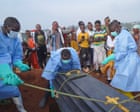
The rapidly escalating Ebola outbreak in the Democratic Republic of the Congo (DRC) has now spread to a sixth province, officials confirmed. This development comes just a day after the head of the World Health Organization (WHO) warned that the current epidemic is on track to become the deadliest in history, potentially surpassing the 2014-16 West Africa outbreak that claimed over 11,000 lives.
The latest expansion was announced by Jean Kaseya, the director general of Africa CDC, who reported a death in the previously unaffected Bas-Uele province. The deceased individual had reportedly traveled from Haut-Uele province to Buta, the capital of Bas-Uele, where the fatality occurred. This marks a significant geographical spread for the current outbreak.
Currently, there are no approved vaccines or treatments for the specific Bundibugyo virus strain responsible for this epidemic. Government figures indicate that over 2,100 people have died among more than 4,500 reported cases. Worryingly, the death toll has been reached at a rate nearly three times faster than the 2014-16 West Africa Ebola crisis.
Experts are increasingly concerned about the potential implications of this continued spread. The WHO director general, Tedros Adhanom Ghebreyesus, indicated on Wednesday that the new outbreak could indeed eclipse its historical predecessor in terms of mortality. Six of the DRC’s 26 provinces are now confirmed to be affected.
The challenging context of this outbreak is compounded by several factors. Health workers in some areas have been striking due to unpaid salaries, while rebel group threats and widespread misinformation, including denial of Ebola's existence, further complicate containment efforts. These issues hinder the crucial work of contact tracing and treatment.
Compounding the difficulties, health workers at the Nizi treatment center in Ituri province, one of the hardest-hit regions, went on strike Thursday after not receiving their salaries for three months. This led to the temporary closure of the center, impacting ongoing response efforts.
The true extent of the outbreak may be more widespread than officially reported. While declared on May 15, WHO sequencing suggests the outbreak may have begun as early as February. Health authorities report that a significant portion, between 60% and 70%, of new cases are occurring outside of monitored contacts, indicating an alarming rate of community transmission.
Questions remain about the potential for the virus to mutate, as suggested by some officials, and the long-term impact on the already strained healthcare system in the DRC. The ongoing strikes and security concerns present significant obstacles to effectively controlling the epidemic and preventing further spread across the nation and potentially beyond.
This article was written by AI based on publicly available news reporting. Original reporting by the linked source.