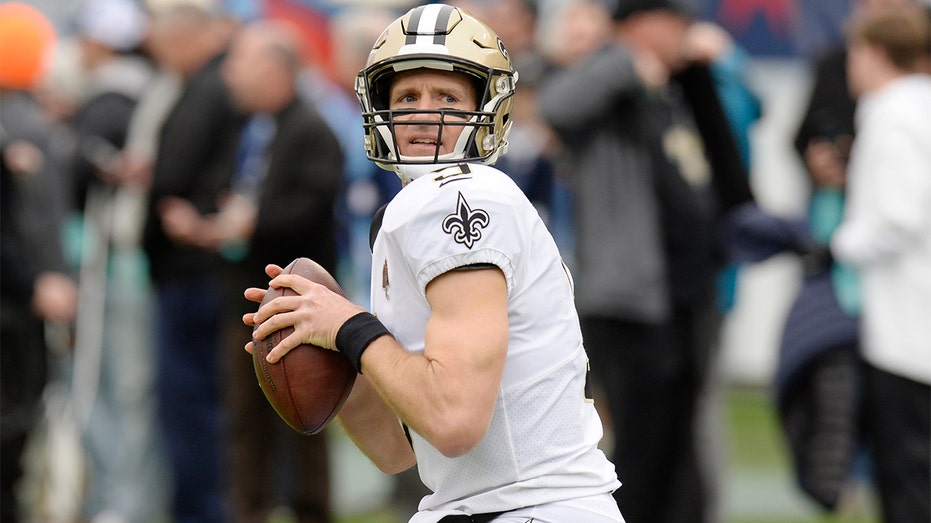
Drew Brees rejected Dolphins and Saban due to 25% career odds
Drew Brees revealed he declined playing for Nick Saban and the Dolphins because doctors gave him only a 25% chance of returning to football.
NFL legend Drew Brees has disclosed the surprising reason he turned down an opportunity to play for Nick Saban and the Miami Dolphins. Brees revealed in a recent interview that the decision stemmed from medical evaluations that cast significant doubt on his ability to continue his playing career.
At the time, Brees was recovering from a severe shoulder injury that threatened to end his NFL tenure. The Dolphins, then coached by Nick Saban, showed interest in acquiring him. However, the prognosis from team doctors presented a stark reality.
According to Brees, medical professionals informed him that he had only a 25% chance of successfully returning to professional football. This low probability, coupled with the uncertainty surrounding his physical recovery, led him to decline the offer and prioritize his long-term health and career prospects.
The decision ultimately proved to be a wise one for Brees. He went on to sign with the New Orleans Saints, where he enjoyed a highly successful and lengthy career, including a Super Bowl victory and becoming one of the league's all-time leading passers. His time with the Saints solidified his status as an NFL icon.
Saban, who coached the Dolphins for two seasons from 2005 to 2006, struggled to replicate his college coaching success in the NFL. His tenure was marked by a losing record, and he ultimately returned to the University of Alabama, where he achieved unparalleled success in college football. The interaction with Brees represents a notable 'what if' scenario in both Brees's and Saban's careers.
Brees's revelation provides a new layer of understanding to his career trajectory. It highlights the critical role of medical assessments and personal decision-making in the face of significant career risks for professional athletes. The quarterback's ability to overcome his injury and achieve further greatness showcases his resilience and determination.
The incident also underscores the high stakes involved in professional sports, where a single injury can drastically alter a player's path. Brees's choice to prioritize his health and seek an opportunity with a team that offered a better outlook ultimately paid dividends, allowing him to continue playing at an elite level for many more years.
While the exact timing of Saban's interest and Brees's medical evaluation is not specified, the narrative provides insight into the strategic considerations and health concerns that influence player movement and team building in the NFL.
This article was written by AI based on publicly available news reporting. Original reporting by the linked source.