Medici Murder Mystery Solved: DNA Debunks Centuries-Old Poisoning Theory
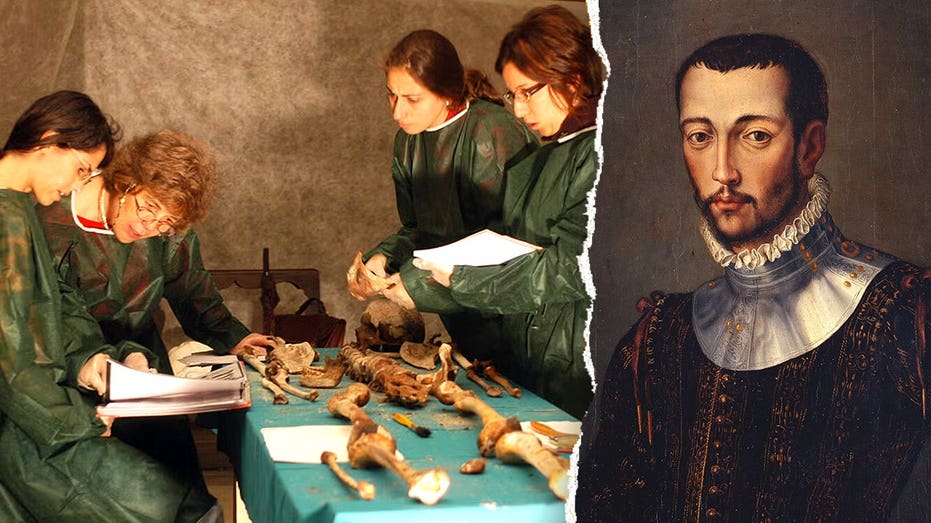
Ancient DNA analysis by Yale researchers has disproven the long-held theory that Cardinal Ippolito de' Medici was poisoned.
Centuries-old questions surrounding the death of Cardinal Ippolito de' Medici have been answered, thanks to groundbreaking ancient DNA analysis conducted by Yale researchers. The findings, published recently, conclusively debunk the persistent theory that the influential figure was poisoned.
Cardinal Ippolito de' Medici, a prominent member of the powerful Medici family of Florence and a potential heir to the papacy, died suddenly in 1535 at the age of 25. His death immediately fueled speculation of foul play, with many believing he was poisoned by his cousin, Alessandro de' Medici, who later became Duke of Florence.
Using advanced genetic sequencing techniques on skeletal remains, researchers were able to analyze the DNA of Cardinal Medici. The comprehensive study revealed no evidence of toxins or poisons that would have been consistent with the historical accusations. Instead, the analysis pointed towards natural causes for his untimely demise.
This scientific revelation is expected to rewrite historical accounts of the Medici family and resolve a significant mystery that has puzzled historians for generations. The findings provide a definitive answer, moving beyond centuries of conjecture and political intrigue that surrounded the Cardinal's life and death.
The Medici family, renowned patrons of the arts and powerful rulers in Renaissance Italy, were often embroiled in complex political rivalries and power struggles. Accusations of poisoning were not uncommon during this turbulent period, adding to the intrigue surrounding Ippolito's death.
Previous historical accounts relied heavily on contemporary chronicles and letters, many of which were influenced by the political allegiances of their authors. These sources often painted a picture of a brutal power struggle within the family, making the poisoning theory plausible to many.
The application of ancient DNA technology in historical research offers a powerful new tool for verifying or refuting long-standing theories. This case highlights the potential for scientific methods to uncover objective truths about past events, even when historical records are ambiguous or biased.
The implications of this study extend beyond the specific case of Cardinal Medici, demonstrating the capacity of genetic analysis to provide new insights into historical figures and events. Future research may apply similar techniques to unravel other historical enigmas.
This article was written by AI based on publicly available news reporting. Original reporting by the linked source.