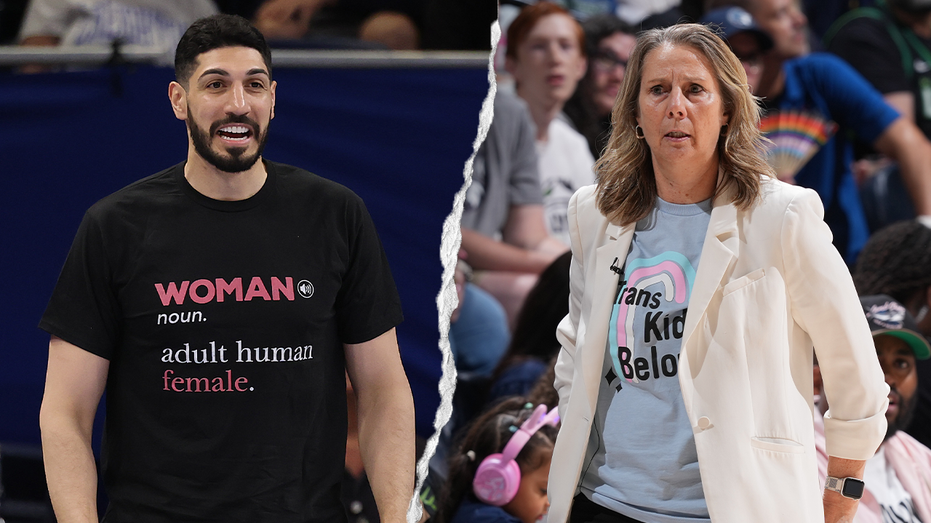
Enes Freedom Disputes WNBA Coach's Claim on Transgender Athletes in Women's Sports
Enes Freedom criticized WNBA coach Cheryl Reeve's statement that women's sports advocates oppose transgender people's existence.
Enes Freedom, a prominent critic of transgender inclusion in women's sports, has publicly challenged a recent statement made by WNBA coach Cheryl Reeve. Reeve, head coach of the Minnesota Lynx, suggested that advocates for women's sports "don't want transgender people to exist." Freedom, who has been vocal about his views on athletic categories, directly refuted this assertion.
Freedom's counter-argument centers on the belief that advocating for the integrity of women's sports does not equate to a rejection of transgender individuals. He contends that the focus is on maintaining separate categories for biological males and females in sports, a distinction he views as crucial for fair competition and the continued viability of women's athletics.
In his response, Freedom aimed to clarify the motivations behind the movement to preserve women's sports categories. He suggested that the narrative pushed by figures like Reeve misrepresents the concerns of those who advocate for biological sex distinctions in sports. The debate highlights a significant division in how the inclusion of transgender athletes should be managed within sports organizations.
The controversy underscores the ongoing and often contentious dialogue surrounding transgender athletes' participation in sports, particularly concerning the women's category. Reeve's comments, made in the context of discussions about the WNBA and its audience, have ignited further debate among athletes, coaches, and the public.
Freedom's stance aligns with a segment of athletes and commentators who believe that allowing transgender women, who were assigned male at birth, to compete in women's sports can create an uneven playing field due to perceived biological advantages. This perspective often emphasizes the importance of sex-based categories established to provide opportunities for female athletes.
Conversely, proponents of transgender inclusion argue that excluding transgender women from women's sports is discriminatory and that policies should be developed to ensure their participation while addressing fairness concerns. They emphasize the importance of gender identity and the need for inclusive policies that reflect the diversity of athletes.
The differing viewpoints reflect a broader societal debate about gender identity, inclusion, and the definition of sports categories. As more discussions emerge, particularly within professional sports leagues, finding common ground or establishing clear policies remains a significant challenge.
This exchange between Freedom and Reeve highlights the deep divisions on the issue and the strong opinions held by various stakeholders. The future of transgender participation in sports, especially at elite levels, continues to be a subject of intense scrutiny and policy development.
This article was written by AI based on publicly available news reporting. Original reporting by the linked source.