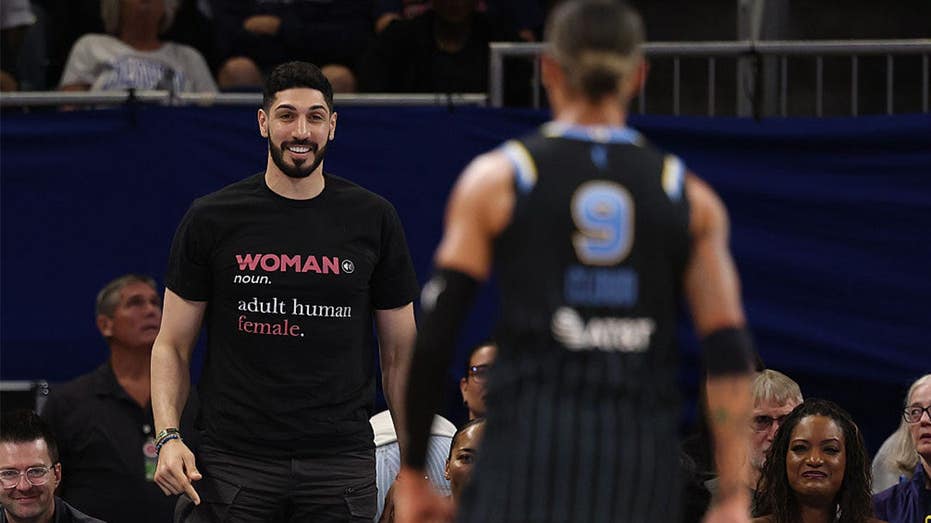
Enes Freedom, Natasha Cloud Headline WNBA's Divisive Activism Moment
Enes Freedom and Natasha Cloud represent opposing activist viewpoints, central to recent WNBA discussions and a record-breaking viewership event.
The WNBA's latest signature moment has placed two prominent figures, Enes Freedom and Natasha Cloud, at the forefront as representatives of opposing activist stances. Their contrasting views have become a focal point in the league's evolving cultural landscape, drawing significant attention and debate.
The controversy and discussion surrounding these activists have coincided with a surge in viewership for the WNBA. The most recent regular-season game garnered 3.31 million viewers, marking the highest viewership for a WNBA regular-season game since 1997. This viewership spike underscores the growing public interest in the league, fueled in part by these prominent cultural discussions.
Enes Freedom, formerly Enes Kanter, has been a vocal critic of certain social and political movements, often expressing views that contrast with those of many WNBA players and fans. His public statements have frequently ignited debate, positioning him as a counterpoint to prevailing sentiments within the sports community. Conversely, Natasha Cloud, a player for the Washington Mystics, has been an outspoken advocate for social justice issues, aligning herself with causes championed by many in the league.
The juxtaposition of Freedom's and Cloud's activism highlights a broader tension within professional sports, where athletes and public figures increasingly use their platforms to engage with societal issues. This dynamic has made the WNBA a particularly visible arena for such discussions, attracting both support and criticism from various segments of the audience.
Megan Rapinoe, a prominent athlete and activist herself, has publicly criticized Enes Freedom. Rapinoe has referred to Freedom as a "bad-faith actor" and mocked his "protect women" comments, indicating a sharp division among public figures regarding his activism and its perceived authenticity.
The record viewership for the recent game suggests that these cultural conversations, while potentially divisive, are also captivating a significant audience. This increased engagement presents both opportunities and challenges for the WNBA as it navigates its role in contemporary social discourse.
Experts suggest that the league's willingness to embrace diverse viewpoints, even those that generate controversy, can lead to greater cultural relevance and broader appeal. However, managing these discussions effectively remains a critical task for league officials seeking to maintain a cohesive and inclusive environment.
As the WNBA continues to grow, the intersection of sports, activism, and public opinion will undoubtedly remain a key factor shaping its narrative and its audience engagement. The contrasting positions of figures like Enes Freedom and Natasha Cloud serve as a microcosm of these larger trends.
This article was written by AI based on publicly available news reporting. Original reporting by the linked source.