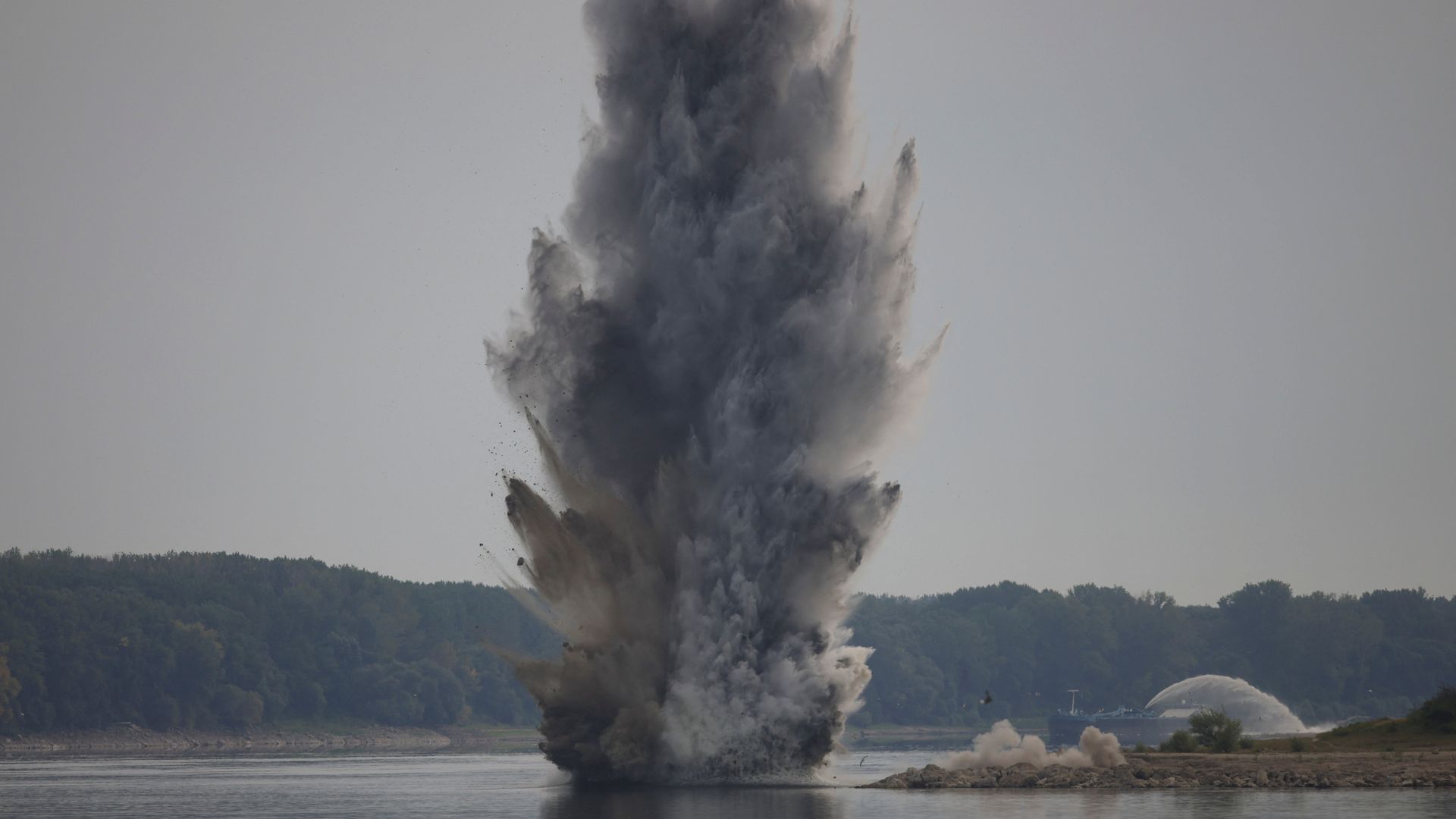
Europe Faces Energy Crisis as Drought Hits Record Lows, Danube Underwater Explosions Used
Record low water levels across Europe, particularly the Danube, threaten an energy emergency, prompting underwater detonations in Romania to improve flow.
European nations are confronting a looming energy emergency as a prolonged drought has pushed crucial waterways, including the River Danube, to historic low levels. The critical situation is impacting energy production and navigation, with Romania resorting to unconventional measures to address the crisis.
The severe water scarcity, exacerbated by intense heatwaves across the continent, is directly affecting the operational capacity of hydroelectric power plants and river transport, vital components of Europe's energy infrastructure and supply chains. The Danube, a major artery for commerce and energy in Central and Eastern Europe, is experiencing some of the lowest water levels ever recorded.
In a bid to mitigate the impact on shipping and hydropower generation, Romania has initiated underwater detonations along a treacherous stretch of the Danube. These controlled explosions are designed to clear debris and improve water flow, thereby enhancing navigability for vessels and potentially boosting the efficiency of nearby hydroelectric facilities. This drastic measure underscores the severity of the drought's consequences.
The implications of these low water levels extend beyond immediate energy production. Reduced river transport capacity can lead to increased reliance on more carbon-intensive modes of transport, such as road and rail, potentially hindering climate goals. Furthermore, lower water levels can impact cooling systems for nuclear power plants, forcing some to reduce output or even shut down temporarily.
This energy and transport challenge is not isolated to Romania. Other European countries reliant on river systems for energy and trade are facing similar predicmanents. Germany's Rhine River, for instance, has seen critically low levels, disrupting the transport of coal and other essential commodities, including fuels necessary for power generation. The reduced capacity of these vital waterways translates to higher costs for businesses and consumers.
Experts warn that if drought conditions persist, the energy supply could become increasingly precarious. Hydroelectric power, a significant source of renewable energy for several European nations, is directly proportional to water availability. As reservoirs dwindle, so does the potential for hydropower generation, forcing a greater reliance on fossil fuels or other, potentially less stable, energy sources.
The situation also highlights the vulnerability of Europe's energy and logistics networks to climate change. The increasing frequency and intensity of extreme weather events, such as heatwaves and droughts, pose a significant threat to infrastructure that has been in place for decades. This necessitates a re-evaluation of long-term strategies for energy resilience and climate adaptation.
As the summer progresses, the focus remains on monitoring water levels, assessing the effectiveness of measures like Romania's underwater detonations, and preparing for potential disruptions to energy supplies and economic activity across the continent. The ongoing crisis serves as a stark reminder of the interconnectedness of environmental conditions and industrial stability.
This article was written by AI based on publicly available news reporting. Original reporting by the linked source.