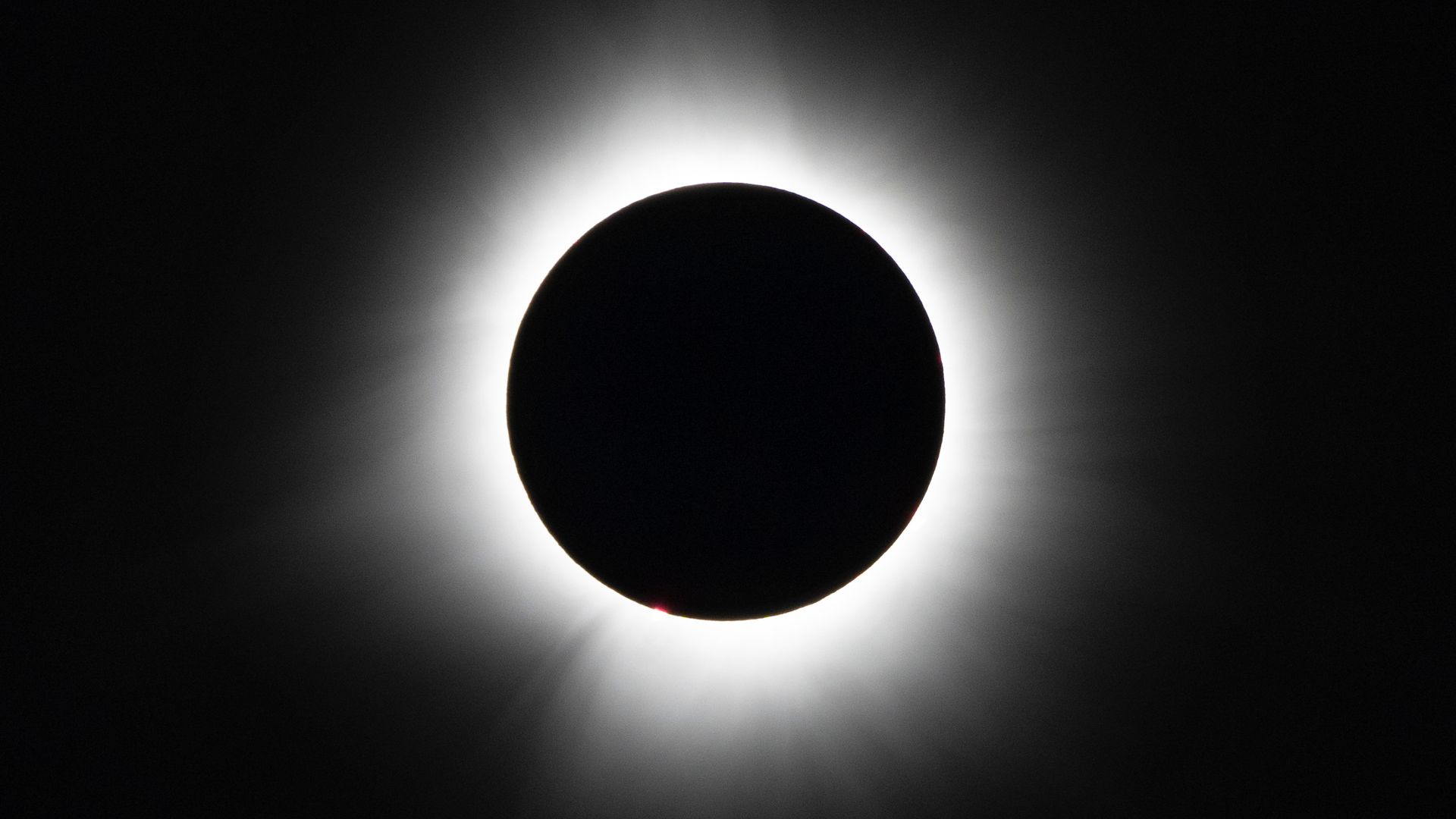
Europe Sees First Solar Eclipse in 30 Years This Month
Europe will witness its first solar eclipse in nearly 30 years this month, offering a rare celestial spectacle.
This month marks a significant astronomical event for Europe as the continent prepares to observe its first solar eclipse in almost three decades. The rare celestial phenomenon will provide a unique opportunity for skygazers across various European regions to witness the moon pass directly in front of the sun.
The impending eclipse is generating considerable excitement among astronomers and the public alike, as such events are infrequent occurrences. The last solar eclipse visible to a significant portion of Europe took place in 1999, making this upcoming event a highly anticipated spectacle for a new generation.
While the exact path and visibility will vary by location, experts are advising on the best vantage points to experience the eclipse. The specific regions that will experience the most dramatic views are still being detailed by astronomical organizations. Safety precautions, such as the use of certified eclipse glasses, are being strongly emphasized to prevent eye damage.
The implications of this eclipse extend beyond mere visual appeal. It provides a valuable opportunity for scientific observation and public engagement with astronomy. Educational institutions and science communicators are planning events and outreach programs to capitalize on the public's interest.
Astronomers highlight that each solar eclipse offers a chance to study the sun's outer atmosphere, the corona, which is normally obscured by the sun's bright disk. While this particular eclipse might not be a total solar eclipse for most of Europe, even a partial obscuration offers valuable insights and a stunning visual display.
Data from previous eclipses show a surge in public interest in space and science during these periods. This event is expected to inspire many to learn more about celestial mechanics and the solar system.
Further details regarding the precise timing and optimal viewing locations are expected to be released by national astronomical societies and space agencies in the coming days. These organizations are working to coordinate information and ensure public safety during the event.
Questions remain about the extent of public participation and the specific scientific research that might be conducted during this eclipse. However, the overarching sentiment is one of anticipation for a memorable astronomical event.
This article was written by AI based on publicly available news reporting. Original reporting by the linked source.