Ex-Motorway Chief Gets 12 Years for Genoa Bridge Collapse Killing 43
Former Autostrade CEO Giovanni Castellucci received a 12-year sentence for the 2018 Genoa bridge collapse that claimed 43 lives.
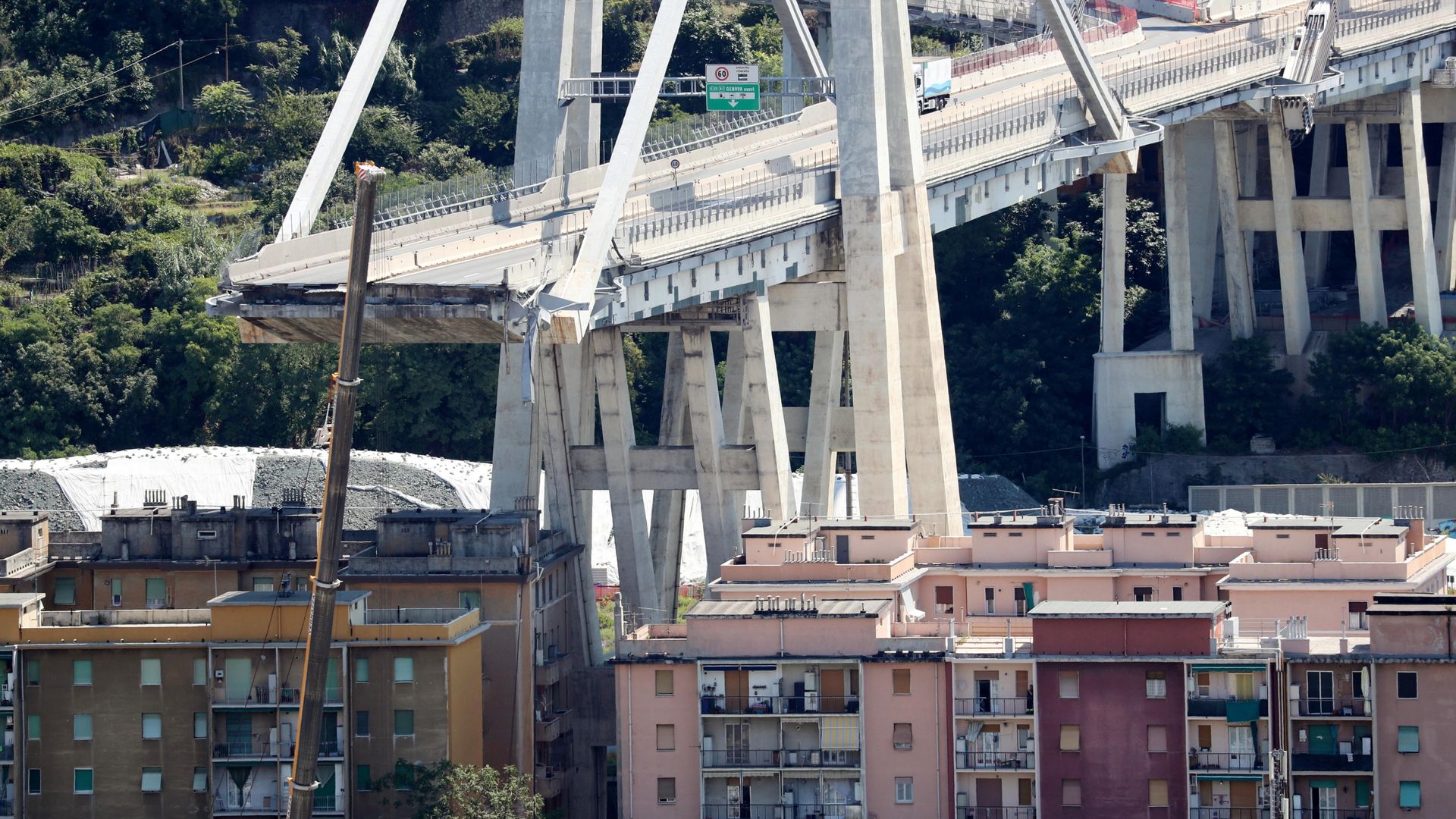
Giovanni Castellucci, the former chief executive of Italy's largest motorway operator, Autostrade per l'Italia, has been sentenced to 12 years in prison for his role in the deadly 2018 collapse of the Morandi Bridge in Genoa. The catastrophic failure of the vital infrastructure claimed the lives of 43 people and devastated the port city.
The sentencing comes after a lengthy trial that examined the causes of the collapse, which occurred on August 14, 2018, during a busy holiday weekend. The Morandi Bridge, a major artery connecting Italy and France, crumbled without warning, sending dozens of vehicles plunging into the dry riverbed below. The tragedy exposed systemic issues within the management and maintenance of Italy's critical infrastructure.
Prosecutors argued that Autostrade, under Castellucci's leadership, had neglected essential maintenance and safety checks on the aging bridge, despite knowing of its structural weaknesses. Evidence presented during the trial reportedly included internal documents and expert reports suggesting that cost-cutting measures may have taken precedence over safety protocols. The court found Castellucci and other Autostrade executives guilty of multiple counts of manslaughter and causing a disaster.
The conviction of Castellucci, a prominent figure in Italy's infrastructure sector, is seen as a significant moment for accountability in cases of major industrial accidents. It raises questions about the oversight of private companies managing public infrastructure and the potential consequences of prioritizing profit over public safety. The ruling may also influence future regulatory frameworks and the enforcement of safety standards across the country.
In addition to Castellucci, several other former executives and employees of Autostrade and its former maintenance unit, SPEA, were also handed prison sentences. The total number of defendants in the trial was 59, including engineers and managers. The court's decision marks a crucial step in assigning responsibility for the preventable tragedy.
Families of the victims have long awaited justice, expressing frustration over the years of legal proceedings. The collapse had a profound impact on Genoa, disrupting transportation and commerce, and leading to the eventual demolition of the remaining sections of the bridge and the construction of a new structure.
Autostrade per l'Italia, a subsidiary of the Atlantia group, has previously apologized for the collapse and has been involved in a separate process to potentially cede its concessions. The company has also committed to rebuilding the bridge, which was inaugurated in October 2020.
Legal experts suggest that the implications of this verdict could extend beyond Italy, potentially influencing how similar infrastructure failures are investigated and prosecuted internationally. The case underscores the critical need for robust independent oversight and stringent adherence to safety regulations in the management of essential public assets.
This article was written by AI based on publicly available news reporting. Original reporting by the linked source.