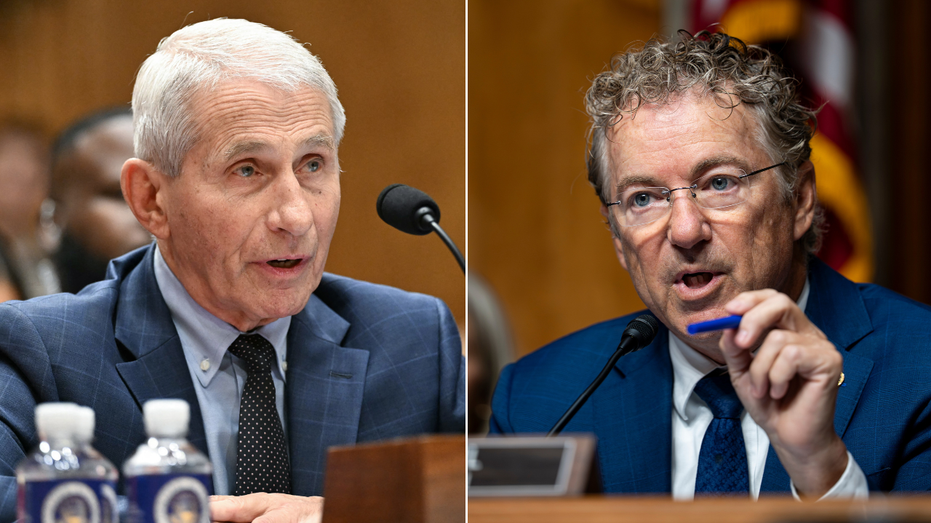
Fauci Invoked Fifth Amendment 111 Times Amidst Media Defense
Dr. Anthony Fauci invoked the Fifth Amendment 111 times during testimony, yet media outlets continued to defend him.
Dr. Anthony Fauci, former director of the National Institute of Allergy and Infectious Diseases, invoked his Fifth Amendment right against self-incrimination 111 times during his deposition before the House Select Subcommittee on the Coronavirus Pandemic.
This significant number of invocations raises questions about the nature of his testimony and the information he chose not to disclose. The Fifth Amendment protects individuals from being compelled to give testimony that could be used against them in a criminal proceeding.
Legal analyst Jonathan Turley noted the extensive use of the Fifth Amendment, suggesting it indicates a reluctance to answer potentially incriminating questions. Turley also pointed out the contrast between Fauci's stance and the media's reaction, which he characterized as a defense of Fauci rather than a critical examination of his testimony.
The implications of Fauci's repeated invocation of his constitutional right are significant, particularly concerning public trust and accountability regarding the government's response to the COVID-19 pandemic. Critics argue that such extensive use of the Fifth Amendment hinders transparency.
Turley's commentary highlights a perceived pattern where media outlets, in his view, have often shielded public figures like Fauci from rigorous questioning. He suggests that while Fauci's diary entries might have already provided answers to some questions, his deposition testimony focused on avoiding direct engagement.
This situation has fueled ongoing debates about the effectiveness of governmental oversight and the role of the media in holding public officials accountable. The extensive use of the Fifth Amendment by a prominent figure like Fauci inevitably invites scrutiny and further investigation.
Further analysis of the deposition transcripts and the specific questions posed to Dr. Fauci would be necessary to fully understand the context of his invocations. The public's desire for clear answers regarding pandemic policies and their outcomes remains a key concern.
The broader impact of such events can influence public perception of government institutions and the information they provide during national crises. Unresolved questions about the pandemic's origins, the efficacy of certain measures, and the decision-making processes continue to be subjects of public interest.
This article was written by AI based on publicly available news reporting. Original reporting by the linked source.