Former Obama Aides: Donors Hesitate to Fund Democrats Post-2024 Loss
Hosts of 'Pod Save America' report major Democratic donors are withholding funds following the party's 2024 election performance.
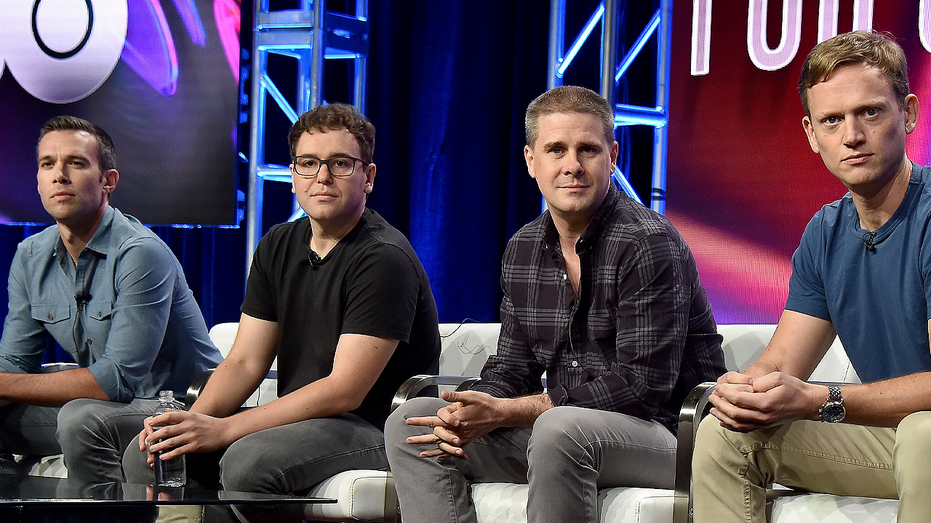
Prominent figures within the Democratic party, including former aides to President Barack Obama, are observing a notable reluctance among significant donors to contribute to campaigns following the 2024 election cycle. The hosts of the popular podcast 'Pod Save America,' Jon Favreau and Tommy Vietor, have highlighted this trend, suggesting that past electoral outcomes have made some substantial financial backers more cautious about future investments in Democratic candidates.
This reported hesitancy comes at a critical juncture for the Democratic party as it looks to build momentum and secure resources for upcoming elections. The 2024 results, which did not yield the sweeping victories some had anticipated, appear to have created a more conservative environment among wealthy donors who often play a pivotal role in funding campaigns. The 'Pod Save America' hosts, who have deep ties to the party's infrastructure and donor networks, are in a unique position to observe and comment on these financial dynamics.
Favreau and Vietor have articulated that this pullback is not a wholesale abandonment of the party, but rather a more strategic and perhaps skeptical approach from donors who feel their previous contributions did not yield the desired electoral returns. This sentiment suggests a need for the party to demonstrate a clearer path to victory and a more compelling case for investment, particularly from those accustomed to seeing a direct correlation between their financial support and electoral success.
The implications of this donor caution could be far-reaching, potentially impacting the resources available for Democratic candidates at various levels of government. Reduced funding can affect campaign operations, advertising reach, and the ability to mobilize voters, all of which are crucial for electoral success. As the party looks ahead, addressing these donor concerns will likely become a significant focus.
Historically, major political parties rely heavily on a base of affluent donors to finance their operations and candidate campaigns. These individuals and their networks often provide the seed money that allows campaigns to launch and scale. When this crucial funding stream becomes less reliable, parties must explore alternative revenue streams or face the challenge of competing with better-funded opponents.
The 'Pod Save America' hosts' commentary reflects a broader conversation within political circles about donor psychology and the impact of election outcomes on future fundraising. Their observations are likely based on direct conversations and insights gleaned from within the party's financial ecosystem. The podcast's audience, which includes many politically engaged individuals and potential donors, provides a platform for these insights to reach a wider audience.
While the specific reasons for donor hesitation are multifaceted, the underlying theme appears to be a reassessment of investment strategy in light of recent electoral performance. Donors who have previously been reliable sources of funding may now be demanding clearer evidence of strategic planning, candidate viability, and a more predictable return on their investment in terms of electoral victories.
Moving forward, the Democratic party will need to effectively communicate its vision and strategy to these key financial backers. The challenge lies in rebuilding confidence and demonstrating that continued support will contribute to tangible gains, thereby encouraging donors to re-engage and provide the necessary resources for future electoral battles.
This article was written by AI based on publicly available news reporting. Original reporting by the linked source.