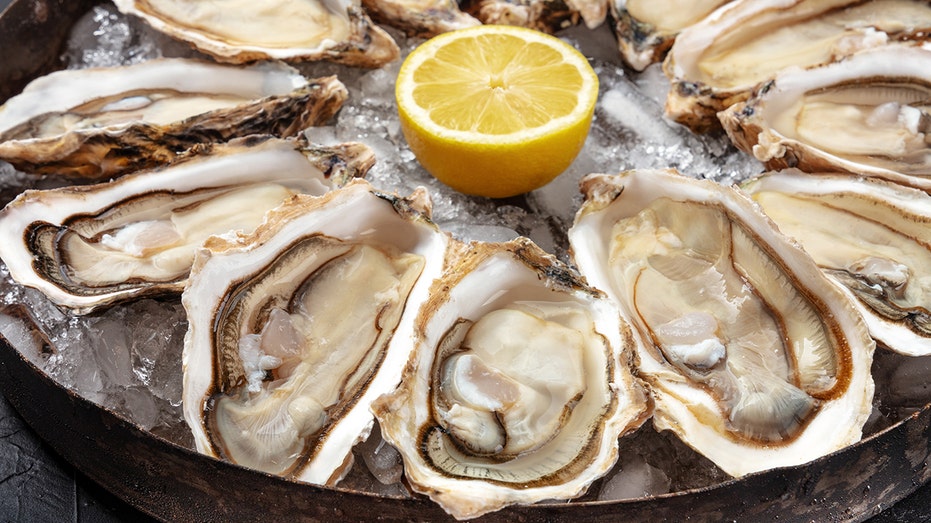
Fourth Florida Resident Dies From Flesh-Eating Bacteria Linked to Oysters
A fourth Florida resident has died from a Vibrio vulnificus infection, a flesh-eating bacteria often found in raw oysters.
A fourth Florida resident has died after contracting a severe infection from Vibrio vulnificus, a bacteria commonly found in raw oysters. The latest fatality underscores the risks associated with consuming raw shellfish, particularly for individuals with compromised immune systems.
Florida health officials have been monitoring a cluster of Vibrio vulnificus infections, with the total number of cases reaching at least nine across the state. While the bacteria can be present in coastal waters year-round, infections are more common during warmer months. The state's public health department has issued advisories urging caution when consuming raw or undercooked seafood.
The Vibrio vulnificus bacteria can cause a life-threatening illness known as wound infection or septicemia, depending on the mode of exposure. When ingested through contaminated seafood, it can lead to severe gastrointestinal distress, bloodstream infections, and a rapid decline in health. Skin lesions can also develop, leading to tissue death and necessitating amputation in severe cases.
Health experts emphasize that individuals with certain pre-existing conditions, such as liver disease, diabetes, or weakened immune systems, are at a significantly higher risk of developing severe illness and death from Vibrio vulnificus. The Florida Department of Health advises these individuals to avoid raw or undercooked shellfish altogether.
While the source of the infections has been strongly linked to raw oysters, it is challenging to pinpoint a single batch or supplier. Vibrio bacteria occur naturally in warm coastal waters where oysters are harvested. Oysters, as filter feeders, can concentrate these bacteria from the water, posing a risk to consumers.
Health agencies recommend thorough cooking of all shellfish to kill any potential bacteria. For oysters, this typically means steaming them until their shells open and then continuing to cook them for several more minutes. Freezing oysters does not kill the bacteria, and consuming them raw, on the half shell, or with minimal cooking significantly increases the risk of infection.
This series of deaths highlights a recurring public health concern in coastal states. While Vibrio vulnificus infections are relatively rare, their severity and high mortality rate make them a significant public health issue. Health departments continue to work on educating the public about the risks and promoting safe seafood consumption practices.
Officials are urging anyone who experiences symptoms such as fever, chills, nausea, vomiting, diarrhea, or skin sores after consuming raw seafood to seek immediate medical attention. Early diagnosis and treatment with antibiotics are crucial for improving outcomes.
This article was written by AI based on publicly available news reporting. Original reporting by the linked source.