Guinea Landslide Kills 30 at Waste Dump Days After Relocation Plans Announced
A landslide at a major waste dump in Guinea's capital killed 30 people after heavy rains, just days after the government vowed to relocate the site.
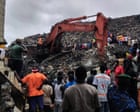
A devastating landslide at a large waste dump in Guinea's capital, Conakry, has claimed the lives of 30 people, the government announced Sunday. The collapse occurred overnight following heavy rainfall, engulfing makeshift tents and shacks that housed residents near the site.
The incident highlights the precarious living conditions for many in Conakry and the persistent dangers posed by inadequate infrastructure in the West African nation. Landslides and flash floods are a recurring threat during the rainy season in densely populated urban areas across parts of West Africa, often exacerbated by informal settlements built on or near waste sites.
Government figures released Sunday stated that in addition to the fatalities, six people sustained serious injuries and 16 more suffered minor ones. Rescue efforts were underway, with workers utilizing heavy machinery and tools to sift through the debris. Witnesses described the landslide as massive, capable of burying entire structures.
The implications of this tragedy are significant, especially given that Guinea's minister of territorial administration, Djénabou Touré Camara, had publicly announced plans just last Thursday to close the hazardous landfill and move its contents. The minister had cited the site's inherent dangers, particularly during the rainy season, as the reason for the planned relocation.
Prime Minister Amadou Oury Bah visited the disaster site on Sunday to observe the damage and oversee the ongoing rescue and recovery operations. The government issued a statement urging citizens to remain calm, demonstrate solidarity, and adhere strictly to the directives of emergency services and relevant authorities. This event underscores the urgent need for improved urban planning and waste management in Guinea.
Guinea possesses vast natural resources, including the world's largest bauxite reserves and significant iron ore deposits. However, the nation grapples with widespread poverty and underdeveloped infrastructure. According to a World Bank report from April, approximately 3.7 million out of Guinea's 15.1 million population live on less than $4.20 per day, illustrating the socio-economic context in which such disasters unfold.
The timing of the landslide, mere days after the government's promise to address the dump's safety concerns, is particularly poignant. It raises questions about the speed of implementation for critical safety measures and the government's capacity to protect vulnerable populations from predictable environmental hazards.
Further details regarding the long-term plans for relocating the waste and supporting affected families are expected as the situation develops. The incident serves as a stark reminder of the complex interplay between resource wealth, poverty, and environmental vulnerability in many developing nations.
This article was written by AI based on publicly available news reporting. Original reporting by the linked source.