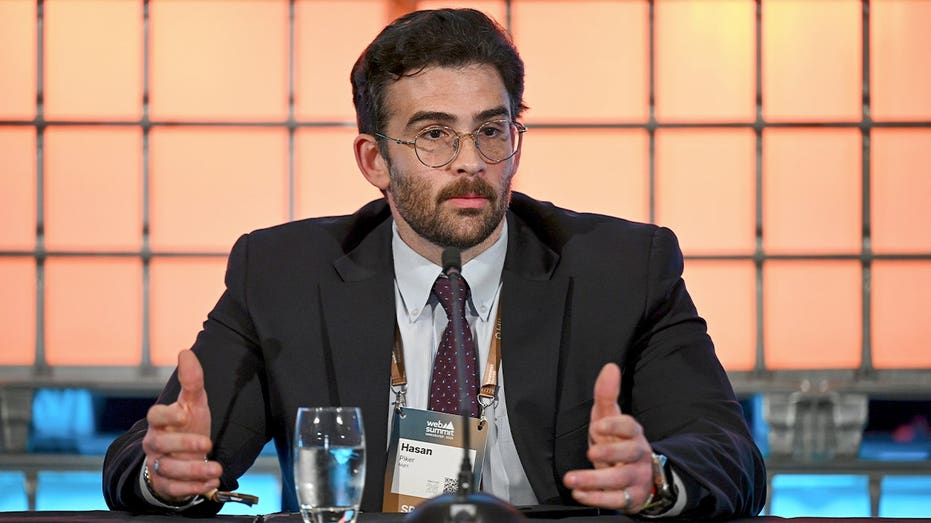
Hasan Piker Faces Backlash Over Calls for Punishing Democrats
Influencer Hasan Piker drew criticism for suggesting Democrats who oppose candidate El-Sayed should face repercussions.
Online personality Hasan Piker has ignited controversy with recent statements advocating for consequences for Democratic politicians who do not align with or support certain candidates, specifically referencing a Senate nominee.
Piker, a prominent streamer with a large following, reportedly suggested that Democrats who criticize or oppose the Senate candidate should be "punished." This sentiment has been interpreted by some as an aggressive stance within the political sphere, particularly given the candidate's background and the broader political climate.
The remarks have drawn sharp criticism from various commentators and political observers who view Piker's calls for "punishment" as divisive and counterproductive to party unity. Critics argue that such rhetoric discourages open dialogue and can alienate potential allies within the Democratic party.
This incident highlights ongoing tensions within the progressive movement and the broader Democratic party regarding ideological purity and political strategy. The debate centers on how to navigate internal disagreements and maintain a united front against political opposition.
Commentators have pointed out that Piker's substantial online influence amplifies the impact of his statements. His platform allows him to reach a significant audience, making his pronouncements on political matters particularly noteworthy and, for some, concerning. The nature of online political discourse, often characterized by strong opinions and rapid dissemination of ideas, plays a significant role in how such controversies unfold.
Critics have expressed concerns that Piker's approach could alienate moderate Democrats or those with differing views, potentially hindering the party's ability to build broad coalitions. They argue that a "big tent" approach, which accommodates a range of opinions within the party, is essential for electoral success.
The situation also raises questions about the role of social media influencers in shaping political discourse and mobilizing supporters. While influencers can be powerful tools for engagement, their pronouncements can also lead to polarization and internal conflict within political movements.
As the discussion continues, the focus remains on the implications of such rhetoric for party unity and the broader political landscape. Whether Piker's comments will have a lasting impact on the Democratic party's internal dynamics or electoral strategies remains to be seen.
This article was written by AI based on publicly available news reporting. Original reporting by the linked source.