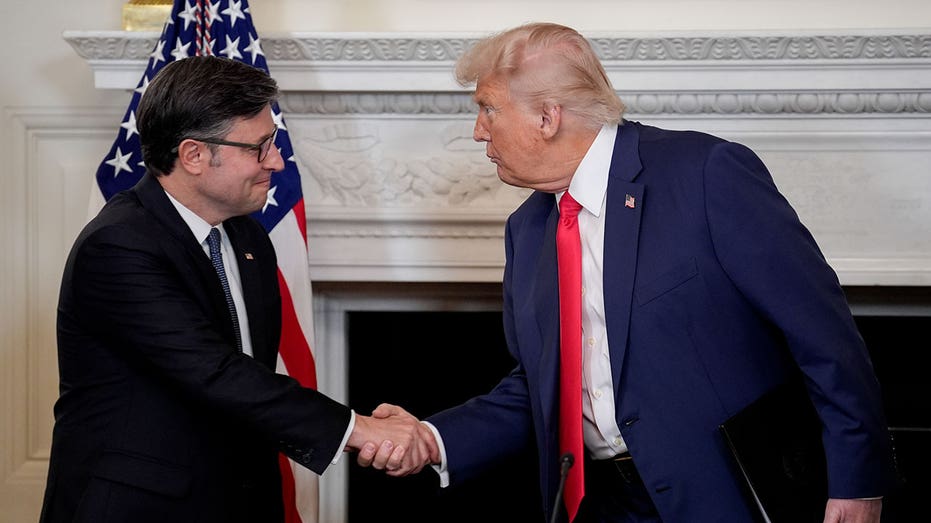
House Returns to D.C. After Break, Facing Packed Legislative Agenda
The House of Representatives reconvened in Washington D.C. following a recess, with a significant legislative calendar ahead.
The House of Representatives has returned to Washington D.C. after an extended break, facing a demanding schedule of legislative priorities. Lawmakers are back in the capital with one foot out the door, as campaign season intensifies and the November elections draw nearer.
The return to Capitol Hill marks the beginning of a critical period for legislative action. With a divided Congress and a tight election cycle, the remaining session is crucial for passing key bills and addressing pressing national issues. The break provided members with time to engage with constituents and campaign, but now the focus shifts back to governance.
Discussions among lawmakers and aides indicate a packed agenda, though specific legislative battles are yet to fully crystallize. The short time remaining in session before potential further breaks or election-related absences means that bipartisan consensus will be essential for progress on any significant legislation.
The implications of this return are significant for both domestic policy and the broader political landscape. Key votes and debates are expected to shape the narrative heading into the elections, potentially influencing voter turnout and outcomes. Observers will be watching closely to see which issues gain traction and whether lawmakers can find common ground.
Historically, periods leading up to midterm or presidential elections often see a heightened sense of urgency in legislative chambers. However, they can also be characterized by increased partisan gridlock as members prioritize electoral considerations. The current political climate suggests a challenging path forward for consensus-building.
Stakeholder groups, from industry lobbyists to advocacy organizations, are expected to intensify their efforts to influence legislation during this period. Their engagement will play a crucial role in shaping the debate and potentially swaying votes on measures that impact their respective interests.
Comparisons to previous election-year sessions suggest that while some legislative wins are possible, the overall output can be unpredictable. The effectiveness of leadership in both parties will be tested as they attempt to navigate the competing demands of governing and campaigning.
Unresolved questions remain regarding the specific legislative battles that will dominate the coming weeks and the extent to which lawmakers can overcome partisan divisions to achieve tangible policy outcomes before the election cycle fully takes hold.
This article was written by AI based on publicly available news reporting. Original reporting by the linked source.