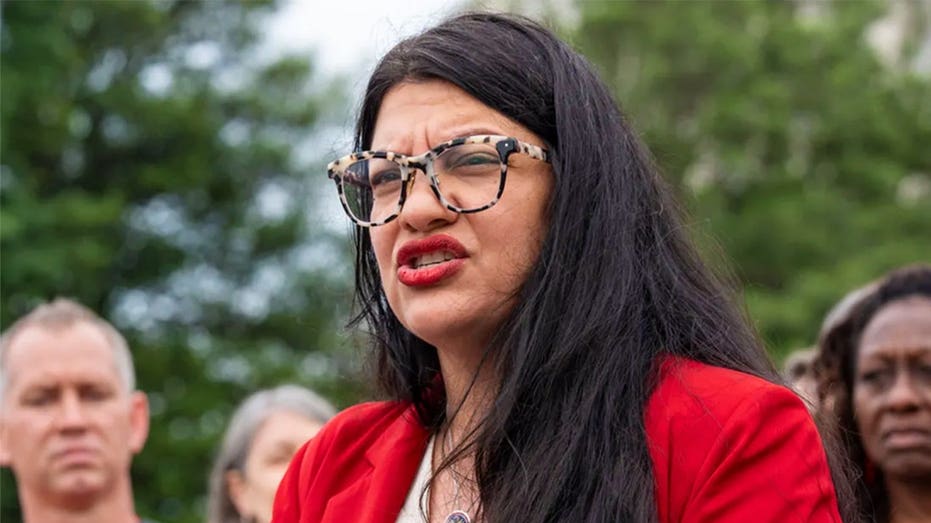
Tlaib Faces Backlash for Florida Efforts Targeting Two Jewish House Democrats
Rep. Rashida Tlaib's campaign activities in Florida to unseat two Jewish House Democrats have drawn significant criticism, with opponents calling the timing 'no coincidence.'
Representative Rashida Tlaib has become the center of controversy following her engagement in Florida's political landscape, specifically concerning efforts to unseat two incumbent Jewish House Democrats. The congresswoman's presence and activities in the state have ignited a firestorm of criticism from various political factions, with many questioning the timing and intent behind her involvement.
The unseating efforts are reportedly focused on Representatives Jared Moskowitz and Debbie Wasserman Schultz, both of whom are Jewish members of the House of Representatives. Tlaib's participation in rallies and other campaign-related events in Florida, aimed at bolstering opposition to these incumbents, has been interpreted by critics as a targeted action.
Opponents have voiced strong objections, with some labeling Tlaib's actions as politically motivated and potentially divisive. The timing of these efforts, particularly in relation to ongoing geopolitical events and domestic political tensions, has been highlighted by critics. A spokesperson for one of the targeted representatives stated that the congresswoman's involvement was "no coincidence," suggesting a deliberate strategy behind the campaign against them.
These developments raise questions about internal party dynamics and the broader implications for electoral strategies. The involvement of a prominent progressive figure like Tlaib in challenging established Democratic incumbents in a key swing state like Florida could signal shifts in party alliances and priorities heading into future election cycles.
Further analysis of Tlaib's specific messaging and the broader coalition she is attempting to mobilize in Florida will be crucial in understanding the full scope of her political objectives. The reactions from within the Democratic party and from Jewish advocacy groups are likely to shape the narrative surrounding these events.
Historical precedents of intra-party challenges and the role of national figures in local elections provide a backdrop for understanding the current situation. The political climate, marked by heightened sensitivities and diverse viewpoints on domestic and international issues, adds another layer of complexity.
Details regarding the specific platforms and endorsements Tlaib is championing in Florida, as well as the counter-strategies being employed by Moskowitz and Wasserman Schultz, will offer a clearer picture of the electoral battleground. The extent of national party support, or lack thereof, for Tlaib's endeavors in Florida also remains a key factor.
Ultimately, the impact of Tlaib's Florida campaign on the electoral prospects of the targeted representatives and the broader political landscape of the state remains to be seen, with unresolved questions about the long-term consequences of these high-profile challenges.
This article was written by AI based on publicly available news reporting. Original reporting by the linked source.