Hundreds of babies, mothers died from 'systemic' NHS maternity failings
A landmark review found hundreds of mothers and babies suffered avoidable harm or died due to systemic failings at Nottingham University Hospitals.
Hundreds of mothers and babies suffered avoidable harm or died due to systemic and sustained failings at Nottingham University Hospitals NHS Trust, a landmark review has found. The inquiry, led by senior midwife Donna Ockenden and described as the largest of its kind in NHS history, revealed that leaders at the trust were aware of serious issues in its maternity department for years but failed to implement necessary changes.
The review, which began in 2022, examined approximately 2,500 families and involved over 800 healthcare staff. Ockenden stated that the report details how a system failed, and the immense cost of these failures, which include lives, futures, and families.
According to the findings presented on Wednesday, different care could have potentially altered the outcomes for 260 babies who died or suffered harm. Of these, 155 babies died and 105 sustained serious injuries due to substandard care. The review identified potentially avoidable outcomes in 444 maternity cases and 76 neonatal cases examined up to May 2025. These cases were graded two or three for harm, with grade three indicating significant or major concerns over care.
The implications of the report are significant, prompting the government to announce an extension of Martha's Rule to enhance accountability and safety in maternity care. Measures are also being introduced to compel NHS staff, past and present, to provide evidence during maternity reviews, with potential imprisonment for up to two years for those who refuse, though enforcement details are pending.
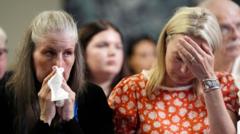
Donna Ockenden presented the review's findings at a hotel in Nottingham, with many bereaved and affected families in attendance. The report highlighted that many of the identified problems, such as insufficient staffing and staff inability to raise concerns, had been known at Nottingham University Hospitals since at least 2010. This prolonged period of inaction underscores the depth of the systemic issues.
The review team informed the BBC that a lack of engagement from some senior leaders hindered the completeness of the inquiry. Out of 66 former and current senior colleagues approached by the trust's chief executive, only 37 came forward for interviews, and 35 were ultimately interviewed. This resistance to engagement has been a recurring theme in major NHS reviews.
The report's findings have drawn parallels to other maternity scandals in the UK, emphasizing a pattern of institutional failure to address critical safety concerns. The scale of this review, however, marks it as the most extensive investigation into maternity care in the NHS's history.
Questions remain about the full extent of the failings and how quickly the newly announced measures will be implemented and enforced to prevent future tragedies. The review's call for greater accountability and transparency aims to rebuild trust in maternity services, which has been severely damaged by these revelations.
This article was written by AI based on publicly available news reporting. Original reporting by the linked source.