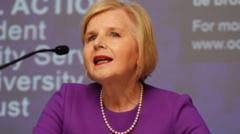
Nottingham maternity review: Hundreds suffered harm, 155 babies died
A major review found systemic failures and a toxic culture at Nottingham hospitals, leading to avoidable harm and deaths for mothers and babies.
Hundreds of mothers and babies suffered potentially avoidable harm, with 155 babies dying, due to deeply embedded systemic failures at maternity units in Nottingham, a review led by senior midwife Donna Ockenden has concluded. The inquiry, the largest of its kind in NHS history, found leaders at Nottingham University Hospitals (NUH) NHS Trust were aware of serious issues in its maternity department since at least 2010 but failed to implement sufficient changes to prevent further harm and deaths.
The review, which began in 2022, involved input from approximately 2,500 families and over 800 staff members. Experts identified potentially avoidable adverse outcomes in 444 maternity cases and 76 neonatal cases up to May 2025. These cases were graded with significant or major concerns regarding the care provided.
Specifically, the review team indicated that different care could have altered the outcomes for 260 babies who died or were seriously harmed. Of these, 155 babies lost their lives, and 105 suffered severe injuries, including permanent brain damage, attributed to substandard care. The report highlighted that these adverse outcomes were rarely due to a single factor but rather a combination of issues.
Multiple factors were identified as contributing to the harm, including failures in monitoring babies, misinterpretation of fetal heart monitoring, a lack of recognition of fetal distress during labor, and delays in escalating critical cases to senior medical staff. Ockenden noted that many existing oversight systems for maternity care were no longer fit for purpose.
A significant criticism was also leveled at the trust's workplace culture, which was described as bullying and toxic over several years. Submissions from mothers detailed instances of being told to "pull themselves together" during labor or to "wait their turn" as other patients needed attention, indicating a dismissive attitude towards patient concerns.
Many of the problems detailed in the report have been known to the trust since at least 2010. These persistent issues include insufficient staffing levels and an inability for staff to complete basic and mandatory training, which contributed to the ongoing risks.
Women and families frequently reported feeling unheard, inadequately informed, and unsupported, particularly when expressing anxieties about fetal movements or emerging medical complications. There were also identified communication challenges for women whose first language was not English, further hindering their ability to receive adequate care and support.
Ockenden expressed hope that the report's conclusions would serve as a catalyst for real and lasting improvements in maternity services, not only within Nottingham University Hospitals NHS Trust but across England as a whole. The review's recommendations, once implemented, are intended to drive significant enhancements in perinatal care.
This article was written by AI based on publicly available news reporting. Original reporting by the linked source.