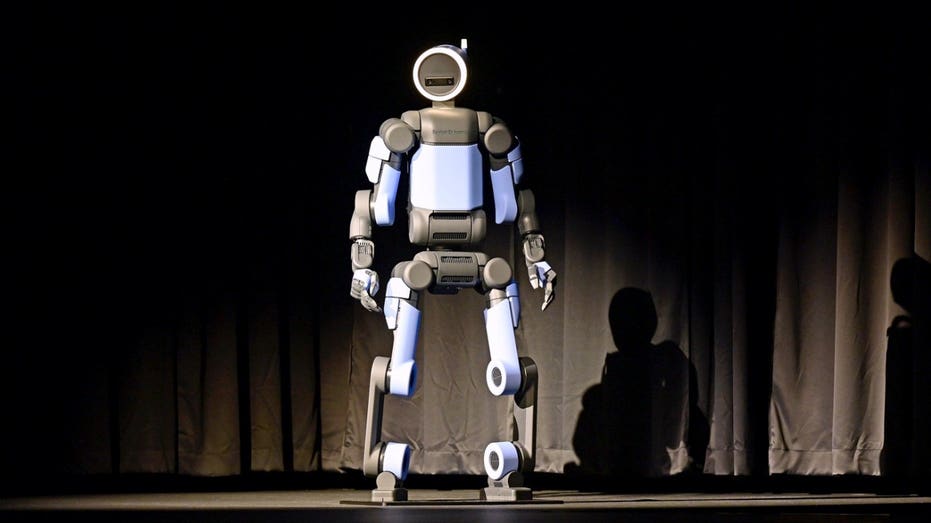
Hyundai deploys 25,000 Atlas robots in U.S. auto plants starting 2028.
Hyundai plans to introduce over 25,000 Boston Dynamics Atlas robots into U.S. auto plants, beginning in Georgia in 2028.
Hyundai Motor Group is reportedly set to deploy more than 25,000 Boston Dynamics Atlas humanoid robots across its United States auto manufacturing facilities. The ambitious rollout is slated to commence in 2028, with the company's Georgia plant designated as the initial site for integration.
This significant investment in advanced robotics underscores a growing trend in the automotive industry towards automation to enhance production efficiency and address labor challenges. The Atlas robot, known for its sophisticated mobility and dexterity, represents a leap forward in humanoid robotics capable of performing complex tasks in dynamic environments.
The decision to implement such a large fleet of advanced humanoid robots signals Hyundai's commitment to leveraging cutting-edge technology in its manufacturing operations. While specific tasks the Atlas robots will perform were not detailed, their capabilities suggest potential applications in assembly, material handling, and quality control, areas where humanoids can supplement or replace human labor.
The introduction of 25,000 Atlas robots is expected to reshape the manufacturing landscape at Hyundai's U.S. plants. This move could lead to increased productivity, improved safety by taking over hazardous jobs, and potentially alter the nature of the automotive workforce, necessitating a focus on skills related to robot operation and maintenance.
Boston Dynamics, a subsidiary of Hyundai, has been developing the Atlas robot for years, showcasing its advanced movement and manipulation abilities through various demonstrations. The robot’s design allows it to navigate uneven terrain, lift objects, and perform tasks requiring a high degree of precision, making it suitable for the complex and varied demands of an automotive assembly line.
Industry analysts view this deployment as a significant indicator of the future of manufacturing. The scale of the planned integration suggests that humanoid robots are moving beyond experimental phases into widespread industrial application. This could spur further innovation and competition among robotics manufacturers and automation solution providers.
Questions remain regarding the full scope of the integration, including the specific roles these robots will fill, the impact on the existing human workforce, and the long-term economic implications for the regions where these plants are located. The timeline also suggests a phased implementation, allowing for adjustments and learning as the robots become operational.
Hyundai's initiative reflects a broader global push towards Industry 4.0, characterized by the convergence of digital technologies, artificial intelligence, and advanced robotics in manufacturing. The success of this large-scale deployment could set a precedent for other major automotive manufacturers and industrial sectors grappling with similar production and labor dynamics.
This article was written by AI based on publicly available news reporting. Original reporting by the linked source.