Iran nuclear inspectors return amid warnings of Obama-era blind spots
Iran agrees to allow nuclear inspectors back into the country, but experts caution against repeating past inspection oversights.
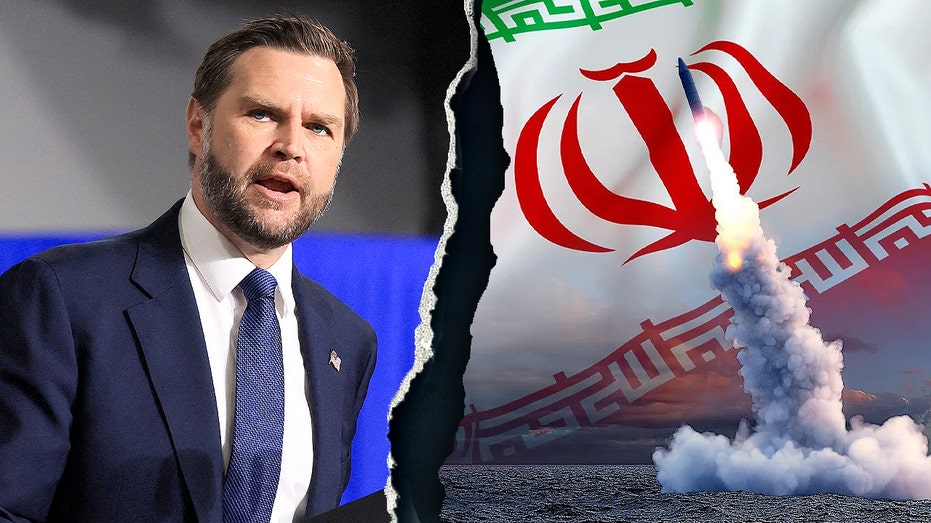
Iran has agreed to permit nuclear inspectors access to its facilities, a development announced by Vice President JD Vance. This move comes as international observers and experts raise concerns that any new framework governing inspections could repeat the shortcomings of the Obama-era agreement.
The renewed access for inspectors is seen as a crucial step in monitoring Iran's nuclear program, particularly in light of ongoing geopolitical tensions and questions surrounding the nation's atomic activities. The specifics of the agreement and the extent of inspector access remain points of close scrutiny.
Experts have voiced apprehension that the terms of re-entry for inspectors may not fully address the limitations experienced during previous inspection periods. These concerns are amplified by the potential for "nuclear blind spots," areas or activities that inspectors might not be able to fully observe or verify.
The implications of these potential blind spots are significant for global non-proliferation efforts. A comprehensive and unhindered inspection regime is vital for building confidence in Iran's adherence to international nuclear safeguards and for preventing the diversion of nuclear materials for non-peaceful purposes.
During the Obama administration, the Joint Comprehensive Plan of Action (JCPOA) included provisions for inspections, but critics argued that these were not always robust enough to provide absolute certainty about Iran's compliance. Loopholes and access limitations were frequently cited as weaknesses that allowed for potential concealment of sensitive nuclear activities.
These past criticisms suggest that any future agreement or arrangement for Iranian nuclear inspections must be meticulously crafted to ensure broad access, timely verification, and the ability to investigate suspicious sites without undue restriction. The effectiveness of international oversight hinges on the thoroughness of such protocols.
Discussions surrounding Iran's nuclear program have historically involved complex negotiations between Iran and various international powers. The balance between allowing Iran to pursue its nuclear energy goals and ensuring its activities remain peaceful has been a central challenge.
As inspectors prepare to return, the international community will be closely watching to see if the new inspection protocols are sufficiently strengthened to prevent the recurrence of the oversight issues that plagued previous agreements, thereby safeguarding against potential future nuclear advancements beyond peaceful applications.
This article was written by AI based on publicly available news reporting. Original reporting by the linked source.