Iran Warns US of Action, Cites Strait of Hormuz Closure Until Conditions Met
Iran issued a stern warning to the US regarding potential military action, while reiterating its stance on the Strait of Hormuz.
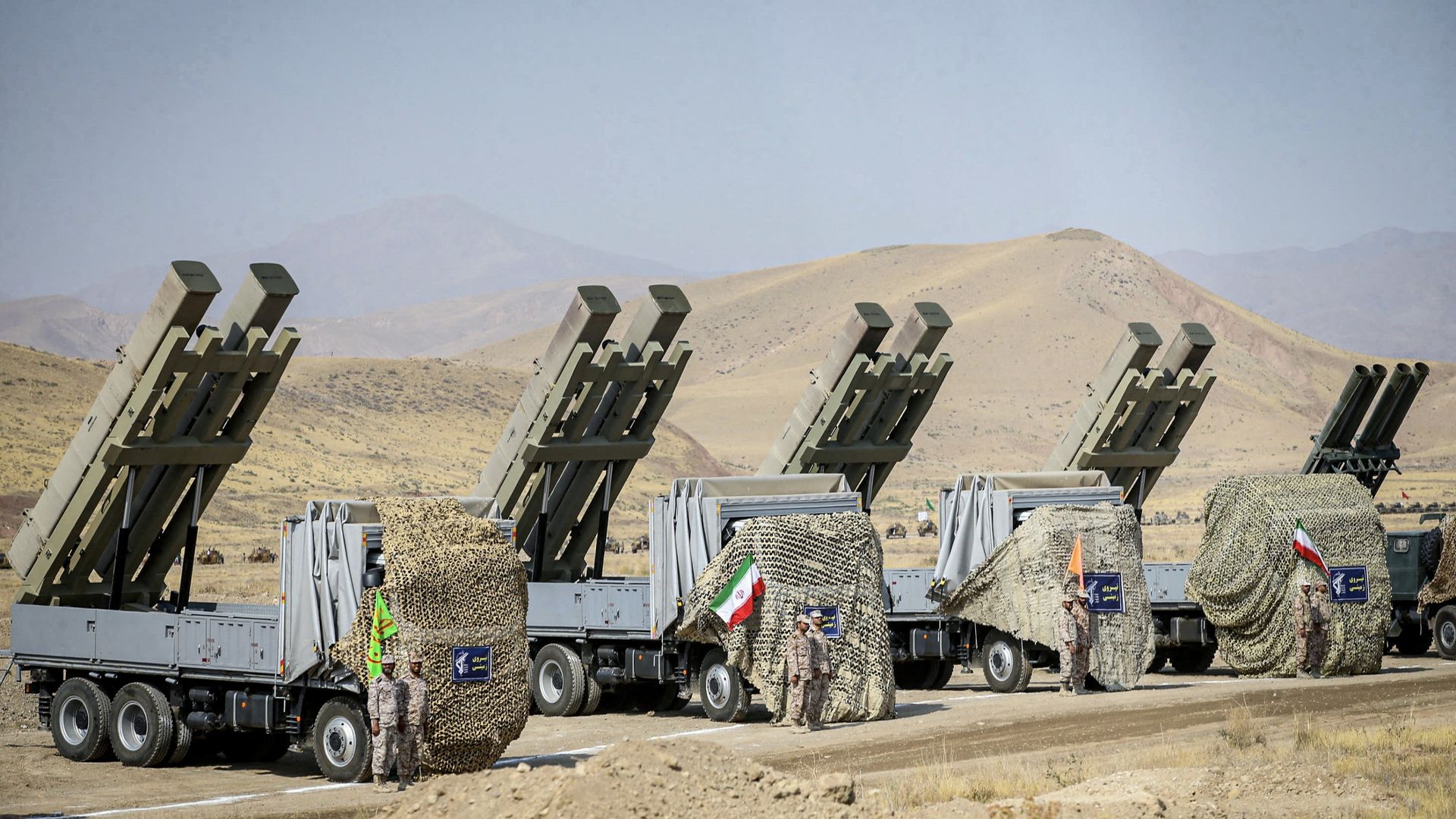
Iran has issued a warning to the United States, reportedly stating it has learned of plans to resume military action. The warning comes as Iran also reiterated its position that the Strait of Hormuz will remain closed until specific conditions are met.
The development signals a potential escalation in regional tensions, particularly concerning maritime security and geopolitical maneuvering in the vital waterway. The Strait of Hormuz is a critical chokepoint for global oil shipments, and any disruption carries significant economic implications.
While details regarding the specific nature of the US "plans" or Iran's "conditions" remain scarce, the official statements suggest a hardening of positions. Iran's assertion that the strait's closure is contingent on unmet conditions implies a set of demands or grievances that have not been publicly detailed.
The implications of this exchange are far-reaching, potentially impacting international trade, energy markets, and diplomatic relations in the Middle East. The US has historically maintained a naval presence in the region to ensure freedom of navigation.
This latest exchange follows a period of heightened rhetoric and intermittent military posturing in the region. Both Iran and the United States have, at various times, engaged in actions that have raised international concern over stability in the Persian Gulf.
Expert analysis suggests that Iran's warning could be a strategic move to deter perceived US aggression or to leverage its control over the Strait of Hormuz as a bargaining chip in broader diplomatic or security discussions. The economic impact of a prolonged closure of the strait could be severe, affecting oil prices and supply chains worldwide.
Previous incidents involving naval standoffs and the seizure of vessels in or near the Strait of Hormuz have demonstrated the volatile nature of the maritime environment. The international community, particularly nations heavily reliant on oil imports, closely monitors such developments.
Further clarity is needed on the specific conditions Iran seeks to have met and the precise nature of the US actions that have prompted this warning. The coming days and weeks will be crucial in determining whether this exchange leads to de-escalation or further confrontation.
This article was written by AI based on publicly available news reporting. Original reporting by the linked source.