Trump: US-Iran MOU 'fair,' denies any US investment in Iran.
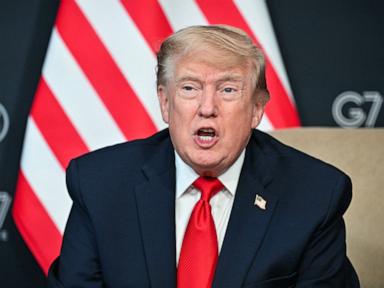
President Trump described the US-Iran Memorandum of Understanding as 'fair' and denied any US financial investment in Iran.
President Donald Trump announced Sunday that the United States and Iran have reached a memorandum of understanding (MOU), which he described as a "fair and good deal." The agreement is slated for official signing on Friday.
The U.S. and Iran have been engaged in complex negotiations following major combat operations initiated by the U.S. against Iran on February 28, which targeted military, government, and infrastructure sites. These operations were followed by a two-week ceasefire, during which initial talks in Pakistan in April failed to yield a peace deal. President Trump later extended the ceasefire indefinitely and maintained a U.S. blockade until negotiations concluded.
During a bilateral meeting with Qatar's Emir Sheikh Tamim bin Hamad Al Thani on Tuesday, President Trump touted the newly reached MOU. He stated that negotiations concerning Iran's nuclear program, which are scheduled to occur within a 60-day window, would be less challenging than securing the MOU itself. Trump also definitively refuted reports suggesting U.S. financial investment in Iran, calling such claims "ridiculous."
"We have the right to go in someday and do, if I want to do something or somebody wants to do something, but we are not investing any money. We have no obligation to invest any money in Iran," Trump stated. The president expressed confidence that the U.S.-Iran deal could endure despite ongoing Israeli actions in Lebanon, which he characterized as a minor conflict with Hezbollah.
Iranian Foreign Minister Abbas Araghchi indicated on Tuesday that a new series of negotiations aimed at a final peace agreement between Iran and the U.S. would commence the day after the MOU's signing. This sentiment was echoed by Iranian Deputy Foreign Minister Majid Takht-Ravanchi, who also noted that the speaker of the Iranian parliament, Mohammad Bagher Ghalibaf, would travel to Geneva for the official signing ceremony.
Regarding potential Israeli violations of the MOU in Lebanon, Takht-Ravanchi stated that a mechanism outlined within the memorandum would be activated. While he did not elaborate on the specifics of this mechanism, he affirmed that the U.S. had committed to ending the conflict on all fronts, including in Lebanon, on behalf of its partners in the MOU.
Despite his assertion that the U.S.-Iran deal could withstand Israeli military actions, President Trump conveyed his dissatisfaction with a recent Israeli attack on an apartment building in Beirut. He referred to the conflict between Israel and Hezbollah as a "pin-prick" situation, though he also acknowledged that "Israel is fight[ing]..."
Further details on the specific terms of the MOU, particularly concerning the 60-day nuclear program negotiations and the mechanism to address potential MOU breaches, remain undisclosed. The upcoming signing ceremony in Geneva is expected to provide more clarity on the path forward for U.S.-Iran relations.
This article was written by AI based on publicly available news reporting. Original reporting by the linked source.