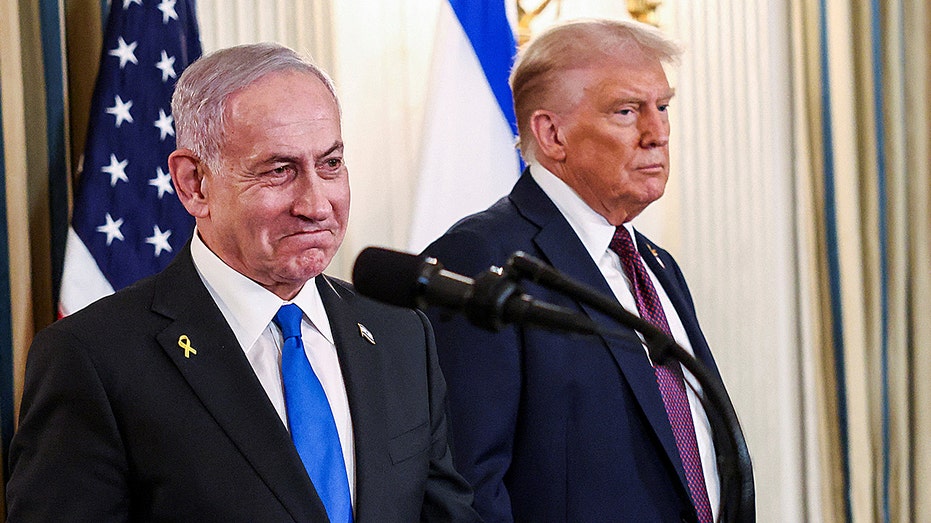
Israel Fears Trump Could Flip on Netanyahu Over Iran Deal
An analyst warns Israel is concerned former President Trump might change his stance on the Iran deal, potentially impacting relations with Prime Minister Netanyahu.
Concerns are mounting within Israel that former President Donald Trump might alter his position on the Iran nuclear deal, a development that could significantly affect the relationship between Trump and Israeli Prime Minister Benjamin Netanyahu.
This potential shift in stance is viewed with apprehension by Israeli leadership, given Trump's previous withdrawal from the Joint Comprehensive Plan of Action (JCPOA) in 2018. His administration had characterized the original deal as "highly suspicious" and sought a more stringent agreement.
According to an analyst, the fear is that Trump, known for his unpredictable foreign policy decisions, could "flip" on the issue, potentially leading to a re-evaluation of the U.S. approach to Iran. This uncertainty stems from the complex geopolitical landscape and the ongoing discussions surrounding Iran's nuclear program.
The implications of such a change could be far-reaching, impacting regional security dynamics and the ongoing efforts to contain Iran's nuclear ambitions. Israel has consistently advocated for a firm stance against Iran's nuclear program and has viewed the previous JCPOA as insufficient.
Previous U.S. administrations, including Trump's, have engaged in a policy of "maximum pressure" against Iran, imposing sanctions and seeking to isolate the country. However, the effectiveness and long-term consequences of these policies remain subjects of debate among foreign policy experts.
Prime Minister Netanyahu has historically maintained a close working relationship with former President Trump, often aligning on key foreign policy issues, particularly concerning Iran. Any divergence on the Iran deal could signal a significant strain on this alliance.
Analysts point to the volatile nature of international relations and the potential for new agreements or renegotiations to emerge. The specific factors that might lead Trump to "flip" on the Iran deal remain speculative, but the mere possibility is causing unease in Jerusalem.
As the global community continues to monitor Iran's nuclear activities, the potential actions of former President Trump add another layer of complexity to an already intricate diplomatic challenge, leaving Israel in a state of heightened vigilance.
This article was written by AI based on publicly available news reporting. Original reporting by the linked source.