Istanbul Floods Kill Four, Worst in Over 80 Years
Four people died in Istanbul after the city experienced its most severe flooding in over eight decades.
At least four people have died in Istanbul following torrential rains that triggered the city's worst flooding in more than 80 years, Turkish officials announced.
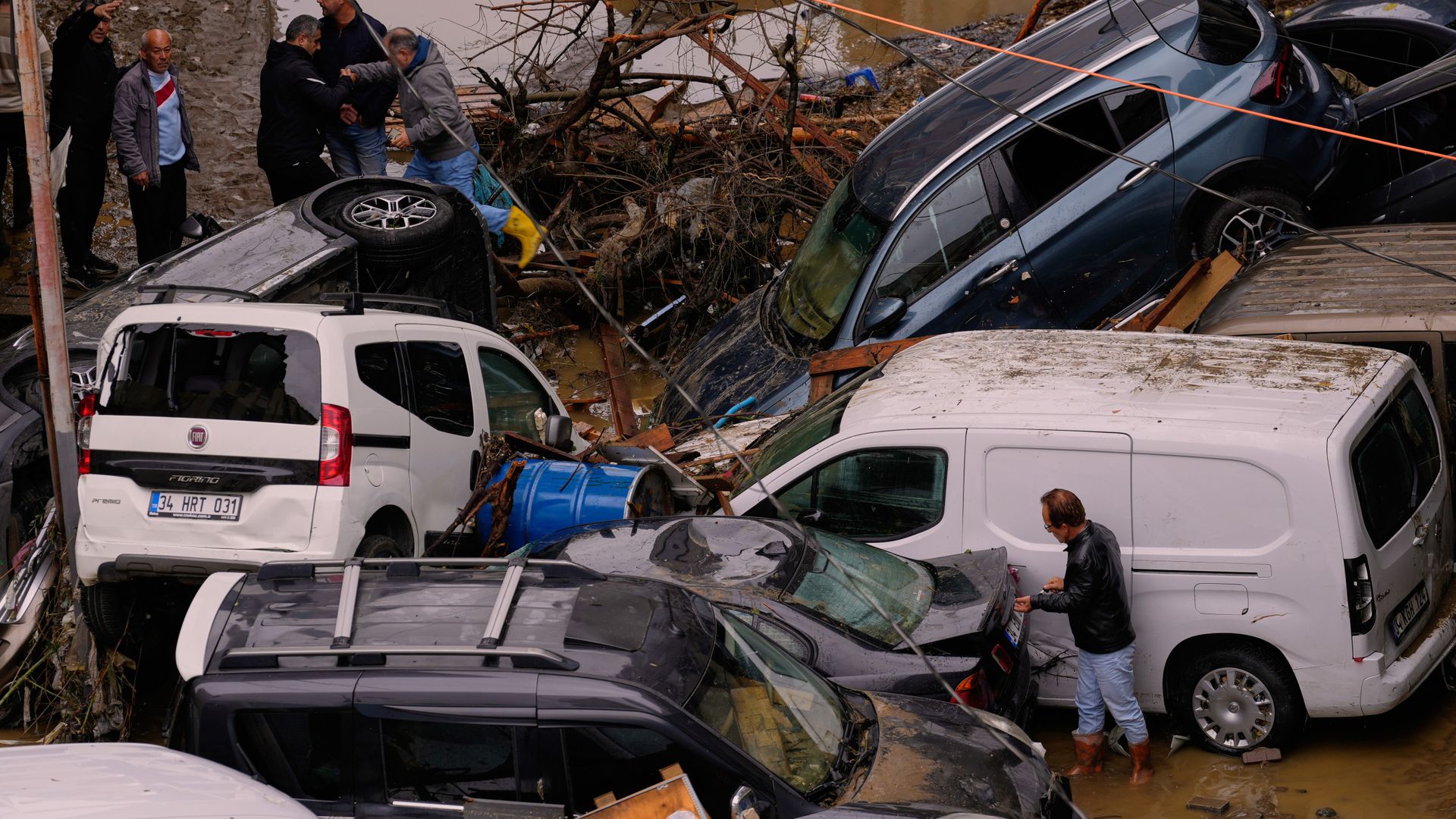
The deluge, which struck the sprawling metropolis on Tuesday, submerged streets, trapped vehicles, and caused widespread disruption to daily life. Images and videos circulating on social media depicted cars floating in muddy water and residents wading through waist-deep floods.
Emergency services worked throughout the night and into Wednesday to rescue stranded individuals and assess the damage. Officials reported that the victims succumbed to the floodwaters, though specific circumstances for each fatality were not immediately detailed. The scale of the disaster has prompted a significant response from national and local authorities.
The severe weather event has highlighted vulnerabilities in the city's infrastructure, particularly in low-lying areas that are more susceptible to inundation. Experts have previously warned about the impact of climate change on urban centers, leading to more extreme weather patterns.
This level of flooding has not been seen in Istanbul since the 1940s, underscoring the exceptional nature of the current event. The meteorological office recorded significant rainfall totals in a short period, overwhelming drainage systems designed for less intense weather.
Residents expressed shock and dismay at the rapid onset and severity of the flooding. Many described being caught off guard by the speed at which water levels rose, leading to dangerous situations and significant property damage. The full extent of the economic impact is still being evaluated.
Authorities are urging citizens to remain vigilant and avoid unnecessary travel as cleanup operations continue. Further rainfall is possible in the coming days, raising concerns about additional risks. The government has pledged support for affected families and businesses.
Questions remain about the long-term preparedness of Istanbul's infrastructure to withstand increasingly frequent and intense weather events. The incident is likely to spur discussions on urban planning, flood defense systems, and climate resilience strategies for the city of over 15 million people.
This article was written by AI based on publicly available news reporting. Original reporting by the linked source.