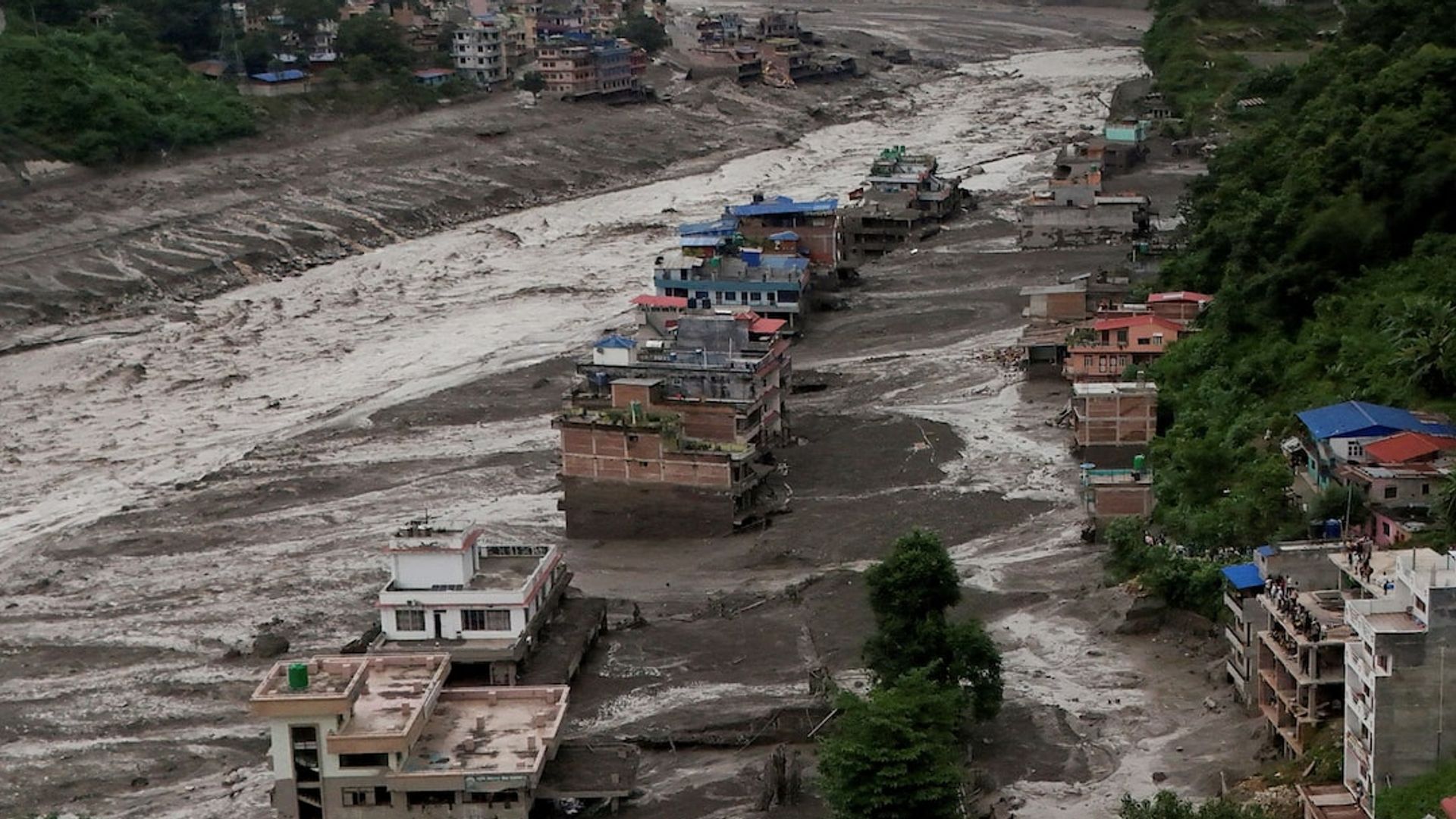
Nepal to Drain Four Glacial Lakes After Deadly Flood Kills 1,400
Nepal will drain four high-altitude glacial lakes to mitigate flood risks following a catastrophic flood that claimed over 1,400 lives.
Nepal is preparing to undertake a significant engineering project to drain four high-altitude glacial lakes, a move aimed at mitigating the escalating risk of catastrophic glacial lake outburst floods (GLOFs). The decision comes in the wake of a devastating flood that recently swept through the region, resulting in the tragic loss of over 1,400 lives and widespread destruction.
The initiative addresses a growing concern for communities living downstream from these potentially volatile glacial formations. As global temperatures rise, glaciers are melting at an accelerated rate, leading to the formation of larger and more unstable glacial lakes. These lakes, when their moraine dam boundaries fail, can unleash torrents of water, ice, and debris, posing an existential threat to populated areas.
Officials have indicated that the draining process will involve carefully controlled measures to gradually reduce the water levels in the selected lakes. This approach is designed to prevent sudden, catastrophic releases of water. While specific timelines and technical details are still being finalized, the urgency of the situation, underscored by the recent tragedy, has prompted swift action.
The implications of this project extend beyond immediate flood risk reduction. It represents a proactive adaptation strategy in the face of climate change impacts, highlighting Nepal's vulnerability to glacial melt. The success of this operation could serve as a model for other mountainous regions grappling with similar threats.
Nepal, situated in the Himalayas, is home to thousands of glacial lakes, many of which are considered potentially dangerous. The recent flood serves as a stark reminder of the destructive power of GLOFs. Previous GLOF events, though often less severe than the recent disaster, have historically caused significant damage and displacement.
Environmental scientists and glaciologists have long warned about the increasing instability of Himalayan glaciers and the associated risks. They have advocated for a combination of monitoring, early warning systems, and infrastructure interventions, such as lake drainage, to enhance community safety.
The government has committed resources to the project, emphasizing the paramount importance of protecting its citizens. International partners are also reportedly being consulted for technical expertise and potential financial assistance, given the scale and complexity of the undertaking.
Questions remain regarding the long-term environmental impact of draining these lakes and the sustainability of such interventions in a continuously warming climate. However, for now, the focus remains on implementing immediate measures to safeguard communities from the immediate threat of further glacial lake outbursts.
This article was written by AI based on publicly available news reporting. Original reporting by the linked source.