Ivory Coast Floods Kill 59, Death Toll Expected to Climb
At least 59 people died in severe flooding across Ivory Coast, with officials warning the number of fatalities is likely to increase.
At least 59 people have died in widespread flooding across Ivory Coast, a government spokesman announced, with authorities expressing concern that the death toll could rise further.
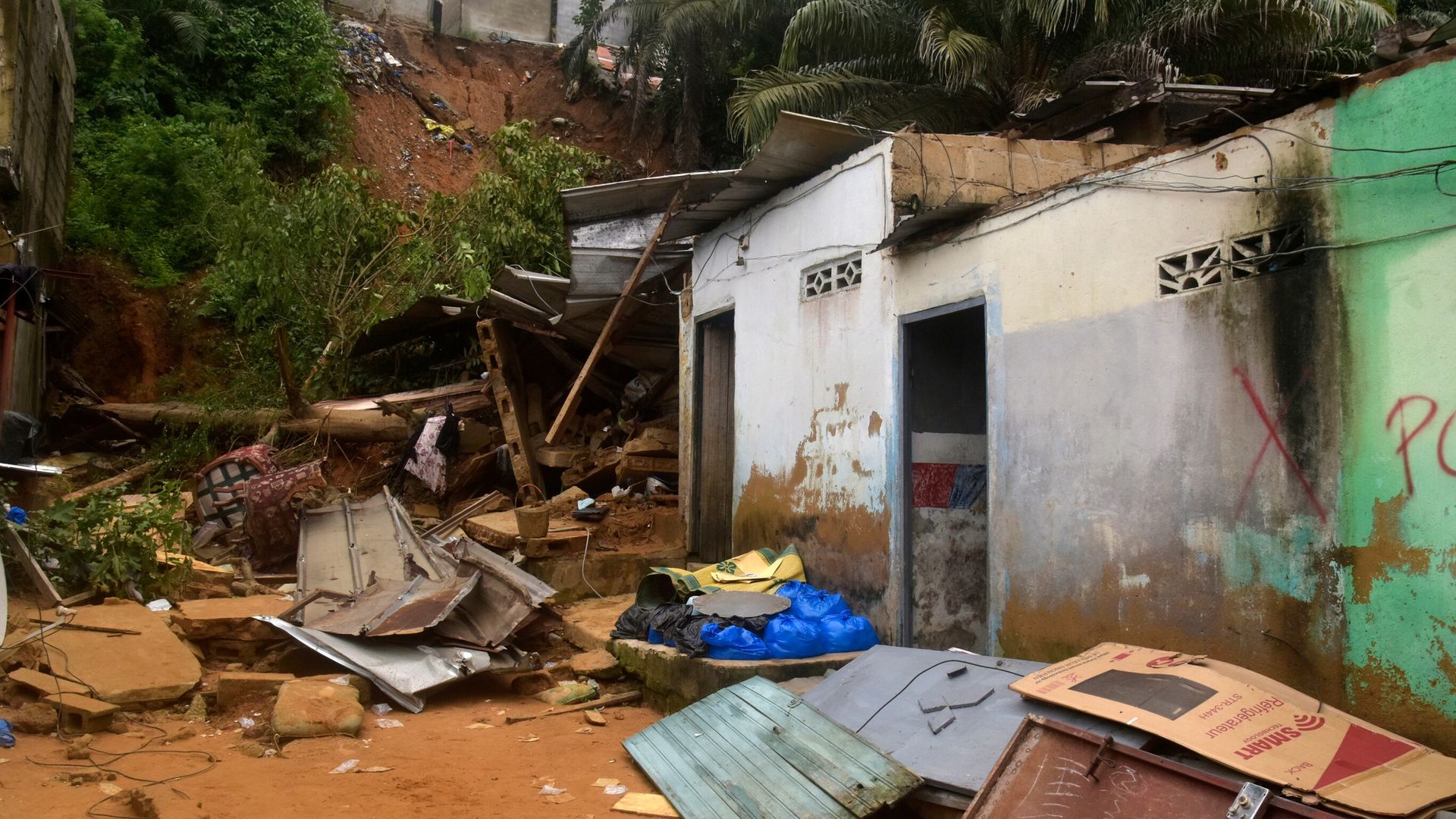
The devastating deluge has impacted numerous regions within the West African nation, displacing thousands and causing significant damage to infrastructure and homes. The full extent of the destruction is still being assessed as emergency services continue rescue and recovery operations.
Initial reports indicate that the heavy rainfall, which has persisted for several days, overwhelmed drainage systems and caused rivers to overflow their banks. Communities in low-lying areas have been particularly hard-hit, with many residents caught unprepared for the rapid escalation of water levels.
The government has mobilized resources to respond to the crisis, prioritizing search and rescue efforts and providing aid to those affected. Efforts are underway to establish temporary shelters and distribute essential supplies like food, water, and medical assistance to displaced populations.
This tragic event highlights the vulnerability of many communities to extreme weather phenomena, exacerbated by factors such as rapid urbanization and inadequate infrastructure planning. The recurring nature of such floods in the region underscores the need for long-term strategies to mitigate disaster risks.
International aid organizations are beginning to assess the situation and consider potential support for the affected areas. The focus remains on immediate relief and ensuring the safety of survivors while also beginning the process of understanding the long-term recovery needs.
Officials are urging residents in flood-prone areas to remain vigilant and follow evacuation orders issued by local authorities. The coming days are critical for both ongoing rescue operations and for establishing a clearer picture of the overall impact of this natural disaster.
Further updates on the casualty figures and the scale of the damage are expected as more information becomes available from affected regions across Ivory Coast.
This article was written by AI based on publicly available news reporting. Original reporting by the linked source.