Jackdaw boss warns UK winter fuel shortages if gas field not approved
Adura's CEO says UK faces gas supply emergencies this winter without Jackdaw field approval.
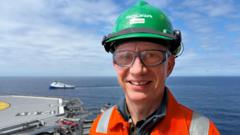
The operator of the North Sea's Jackdaw gas field has warned that the United Kingdom could face domestic supply shortages this winter if the government does not approve production from the project. Neil McCulloch, chief executive of Adura, speaking from the platform 150 miles east of Aberdeen, stated that the field is in its final stages and could supply six percent of the UK's gas needs from October 1.
The urgency stems from the UK's limited gas storage capacity, reportedly around eight days. McCulloch highlighted potential triggers for an emergency, including prolonged periods of low wind and solar power generation or hostile actions by foreign entities. The project, a joint venture between Shell and Equinor, has already cost approximately £1.5 billion.
Adura's chief executive emphasized the critical role Jackdaw could play in the UK's energy security, employment, and taxation. "If I were the Secretary of State for Energy Security and Net Zero, I'd be looking closely at where's my next source of energy security, and you're standing on it," McCulloch told BBC News, which was granted exclusive access to the platform. He added that the wells are drilled and hooked up, with systems ready for production by October 1, pending government approval.
Environmental campaigners, however, oppose the project, citing the need to address climate change, especially in the wake of recent record-breaking heatwaves. They argue that approving new oil and gas fields, including Jackdaw and Adura's Rosebank oil field, would be a betrayal of the public. The industry regulator is currently reviewing revised applications for both fields after a court ruled their initial approvals were unlawful.
Environmentalists estimate that Jackdaw will only produce two percent of the country's annual gas demand over its lifetime. Tessa Khan, executive director of the campaign group Uplift, stated that approving new fields would be a "huge betrayal" given the public's suffering from extreme weather events.
McCulloch countered that Jackdaw's contribution to global emissions would be a very small proportion. He suggested that the project should not bear responsibility for climate change impacts. The debate over energy security and climate action is intensifying as the UK government considers the future of domestic fossil fuel projects.
The decision on Jackdaw and Rosebank comes as political figures, including those preparing for potential leadership roles, face pressure regarding energy policy. Former Prime Minister Sir Tony Blair and trade union leaders are reportedly among those advocating for continued oil exploration and stable taxation on investments.
This situation underscores the complex balancing act faced by governments worldwide: ensuring immediate energy supply and security while also committing to long-term climate goals. The ultimate approval or rejection of the Jackdaw field will have significant implications for the UK's energy landscape this winter and its broader environmental commitments.
This article was written by AI based on publicly available news reporting. Original reporting by the linked source.