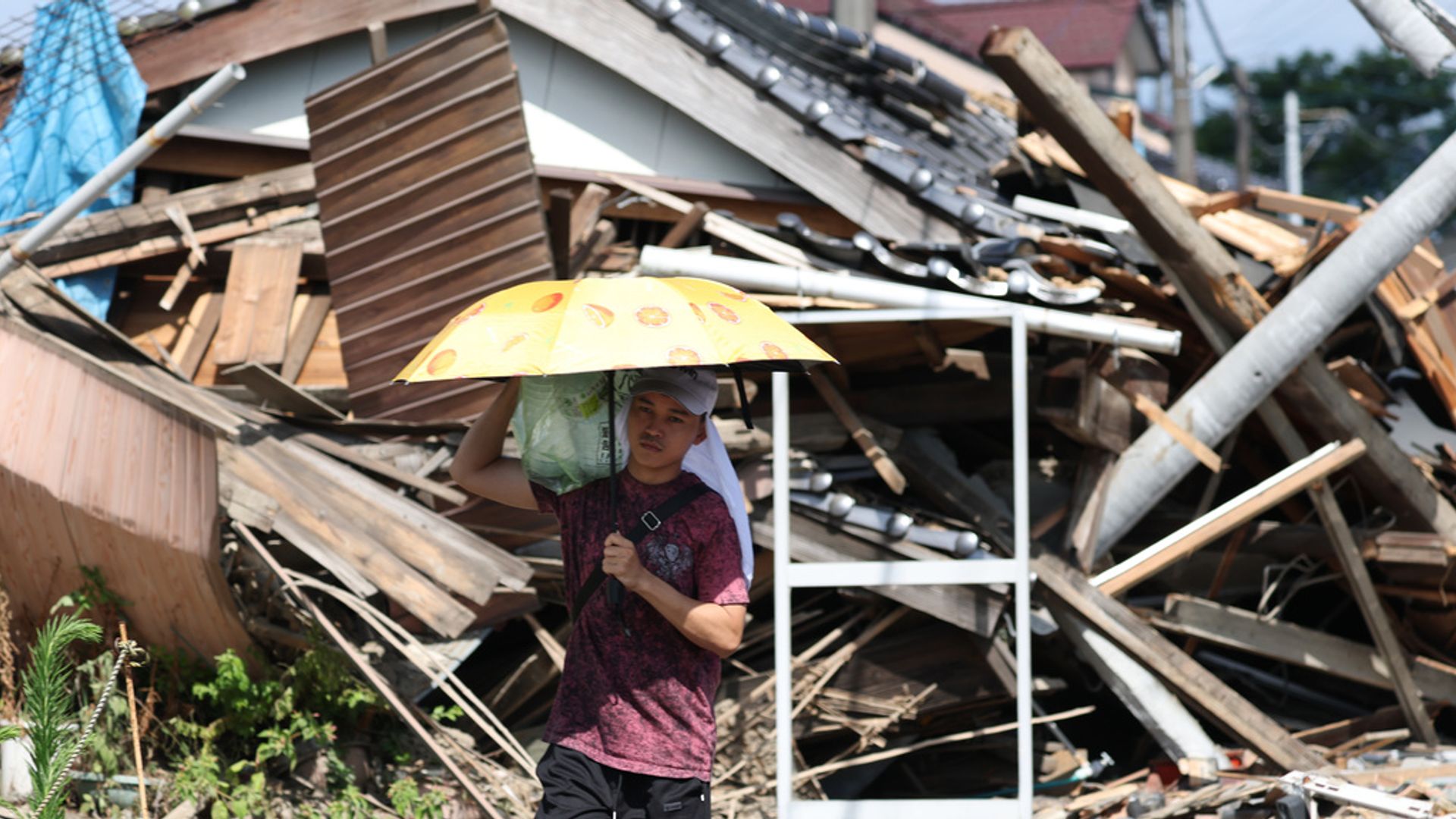
Japan Quake Death Toll Hits 34; 9,000 Sheltered Amid Heat
Japan's earthquake death toll climbs to 34, with 9,000 people still in temporary shelters facing extreme heat.
The number of fatalities from Japan's recent earthquake has risen to 34, as authorities continue recovery efforts and support for those displaced. Approximately 9,000 individuals remain in temporary shelters across the affected regions, facing challenging conditions, including searing heat.
The earthquake struck a region already grappling with the aftermath of seismic activity, highlighting the vulnerability of infrastructure and communities to natural disasters. The ongoing displacement of thousands underscores the significant impact on daily life and the urgent need for sustained relief and rebuilding efforts.
Officials report that rescue teams are working tirelessly to reach all affected areas, assessing damage and providing essential supplies. The extreme temperatures are adding a layer of complexity to the relief operations, raising concerns about the health and well-being of those in shelters. Efforts are underway to ensure adequate cooling and hydration for displaced residents.
The rising death toll and the large number of people in shelters indicate the severity of the earthquake's impact. The focus now shifts to not only immediate humanitarian aid but also the long-term recovery and reconstruction processes. Experts emphasize the importance of resilient infrastructure and preparedness strategies in mitigating future risks.
This disaster serves as a stark reminder of Japan's position in a seismically active zone. The country has a long history of experiencing earthquakes, leading to the development of some of the world's most stringent building codes and disaster preparedness plans. However, the scale of this event has tested those systems.
Local authorities and aid organizations are coordinating to provide food, water, and medical assistance to the thousands in shelters. The logistical challenges are considerable, given the number of people affected and the ongoing aftershocks that continue to cause anxiety among the population.
Comparisons are being drawn to previous significant earthquakes in Japan, analyzing the response and recovery phases. Lessons learned from past events are being applied, but each disaster presents unique challenges that require adaptive strategies from emergency responders and government agencies.
Unresolved questions remain regarding the full extent of the damage to critical infrastructure, the long-term psychological impact on survivors, and the timeline for rebuilding homes and communities. The coming weeks will be crucial in assessing these factors and implementing comprehensive recovery plans.
This article was written by AI based on publicly available news reporting. Original reporting by the linked source.