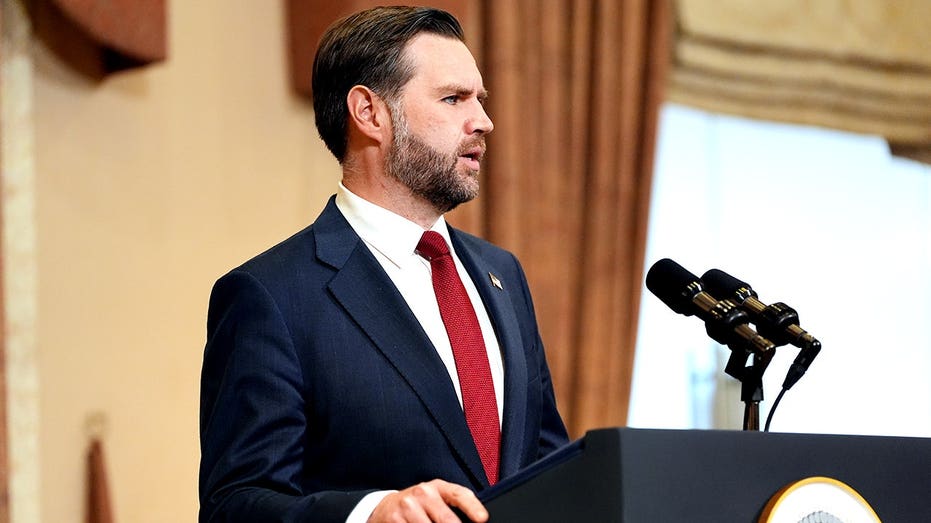
JD Vance Joins Kushner, Witkoff in Switzerland for New Iran Talks
Vice President JD Vance arrived in Switzerland Sunday to participate in crucial U.S.-Iran negotiations with envoys Jared Kushner and Steve Witkoff.
Vice President JD Vance arrived in Switzerland on Sunday to join U.S. envoys Steve Witkoff and Jared Kushner for a significant new round of negotiations with Iran. The meetings, held in a discreet location, signal a renewed push by the administration to engage directly with Iranian representatives on key bilateral issues.
The arrival of Vice President Vance underscores the high importance the administration places on these discussions. While the specific agenda remains undisclosed, sources suggest the talks will focus on de-escalating regional tensions and exploring avenues for improved diplomatic relations. This marks a critical juncture, following a period of heightened friction between the two nations.
Envoys Witkoff and Kushner have been leading preliminary diplomatic efforts and have reportedly established a framework for these more in-depth discussions. Their prior engagement is seen as crucial in setting the stage for Vice President Vance's arrival and the potential for substantive breakthroughs.
The implications of these negotiations are far-reaching, potentially impacting global energy markets, regional security dynamics, and broader international relations. Any agreements reached could reshape the geopolitical landscape in the Middle East and beyond. The administration's willingness to engage at this high level indicates a strategic shift in its approach to Iran.
Previous attempts at direct dialogue have yielded mixed results, often hampered by mutual distrust and complex geopolitical factors. The current administration has signaled a desire to pursue a more pragmatic and results-oriented approach, prioritizing stability and de-escalation over prolonged confrontation.
Stakeholders in the region and the international community are closely monitoring the developments. The outcome of these talks could influence policy decisions by allies and adversaries alike, affecting everything from sanctions regimes to international security cooperation.
Experts in Middle Eastern affairs have noted the delicate balance required for successful diplomacy in this context. They emphasize the need for clear communication, mutual understanding of red lines, and a commitment to sustained engagement to overcome deep-seated historical grievances.
Several key questions remain unanswered regarding the specific objectives of this round of talks, the potential concessions each side might be willing to make, and the mechanisms for verifying any agreements. The success of these negotiations will likely depend on the ability of both parties to navigate these complexities and find common ground.
This article was written by AI based on publicly available news reporting. Original reporting by the linked source.