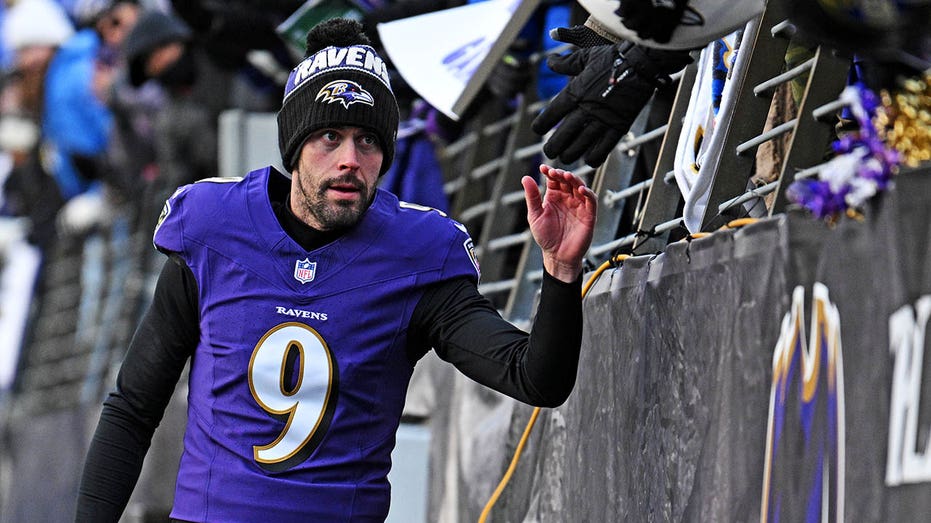
Justin Tucker Signing Sparks Debate Over NFL Media's Selective Outrage
The Kansas City Chiefs' signing of Justin Tucker, who previously served a 10-game suspension, highlights perceived hypocrisy in sports media coverage of NFL misconduct.
The recent signing of kicker Justin Tucker by the Kansas City Chiefs has ignited a conversation regarding the sports media's approach to NFL player misconduct. Tucker, who previously served a 10-game suspension for violating the league's personal conduct policy, is now part of a Super Bowl contender.
This development has led to scrutiny of how the media covers disciplinary actions against players. Critics suggest a pattern of selective outrage, where certain players or incidents receive intense condemnation while others, like Tucker's past suspension, are met with less fervor.
Andy Reid, the Chiefs' head coach, defended the decision to bring Tucker onto the team. The specifics of Tucker's past violation and the subsequent suspension were not detailed in the provided material, but the fact of the suspension itself is central to the current debate.
The implications of this signing extend to how the public perceives the NFL's commitment to player conduct and how media outlets choose to report on these issues. It raises questions about consistency in accountability and the standards applied to different players.
Commentators have pointed to this signing as an example of how the narrative around NFL player discipline can be inconsistent. The perceived leniency or lack of sustained attention on certain past infractions, contrasted with the intense spotlight on others, fuels accusations of a double standard.
This situation invites comparison to other instances where NFL players have faced significant media backlash for various forms of misconduct. The current discussion suggests that the threshold for outrage, and the duration of media focus, may not be uniform across the league.
Further analysis of media coverage surrounding past player suspensions and the current reaction to Tucker's signing could provide more insight into these perceived inconsistencies. The ongoing debate will likely continue as the Chiefs move forward with Tucker on their roster.
Ultimately, the Justin Tucker signing serves as a focal point for a broader discussion about accountability, media responsibility, and the evolving standards of conduct within the National Football League.
This article was written by AI based on publicly available news reporting. Original reporting by the linked source.