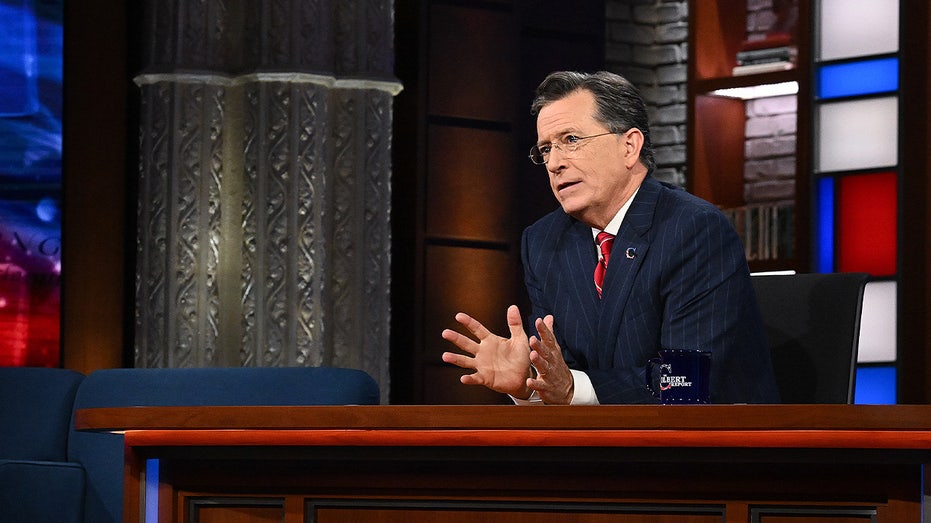
Late-Night Comedy's Political Grip Weakens as Audiences Shift
Stephen Colbert and other late-night hosts face declining influence as partisan comedy struggles to retain its audience.
The landscape of late-night political comedy, once dominated by figures like Stephen Colbert, is undergoing a significant shift. Shows that relied heavily on partisan humor and commentary are finding it increasingly difficult to capture and maintain audience attention, suggesting a potential weakening of their cultural and political grip.
For years, late-night television served as a primary source of political news and commentary for a substantial segment of the population. Hosts like Colbert, John Oliver, and Seth Meyers built large followings by satirizing political events and figures, often aligning their humor with specific political viewpoints. This format allowed them to engage audiences on pressing issues through a lens of entertainment and critique.
However, recent trends indicate a fragmentation of media consumption and a growing skepticism towards overtly partisan commentary, even within entertainment. Audiences are diversifying their news sources and are perhaps becoming more discerning about how they engage with political humor. The effectiveness of a "late-night host as political pundit" model is being called into question as viewers seek information and entertainment through a wider array of platforms.
This evolving dynamic poses a challenge for network executives and show creators. The traditional model of late-night political satire may no longer be as potent a tool for shaping public opinion or driving engagement as it once was. The decline in viewership or influence suggests a need for these shows to adapt to changing audience preferences and media habits.
Experts suggest that the rise of social media and alternative news sources has democratized the dissemination of information and opinion, diluting the gatekeeping power of traditional media outlets, including late-night shows. Viewers now have access to a constant stream of content, making it harder for any single show to command the same level of attention.
Furthermore, the highly polarized political climate may be leading some viewers to tune out comedy that reinforces their existing biases, while others may find the approach too predictable or lacking in genuine insight. The ability of these shows to surprise, provoke, or offer a fresh perspective appears to be diminishing for some audience segments.
The financial implications for the networks are also significant. Advertising revenue is closely tied to viewership, and a sustained decline could impact the profitability and future production of these shows. This could lead to changes in format, content, or even the cancellation of programs struggling to adapt.
Ultimately, the question remains whether late-night political comedy can reinvent itself to remain relevant in a rapidly changing media environment. The challenge lies in finding a balance between entertainment and commentary that resonates with a broader, more diverse, and perhaps more critical audience.
This article was written by AI based on publicly available news reporting. Original reporting by the linked source.