Left Bloc Holds Narrow One-Seat Lead in Swedish Election Preliminary Results
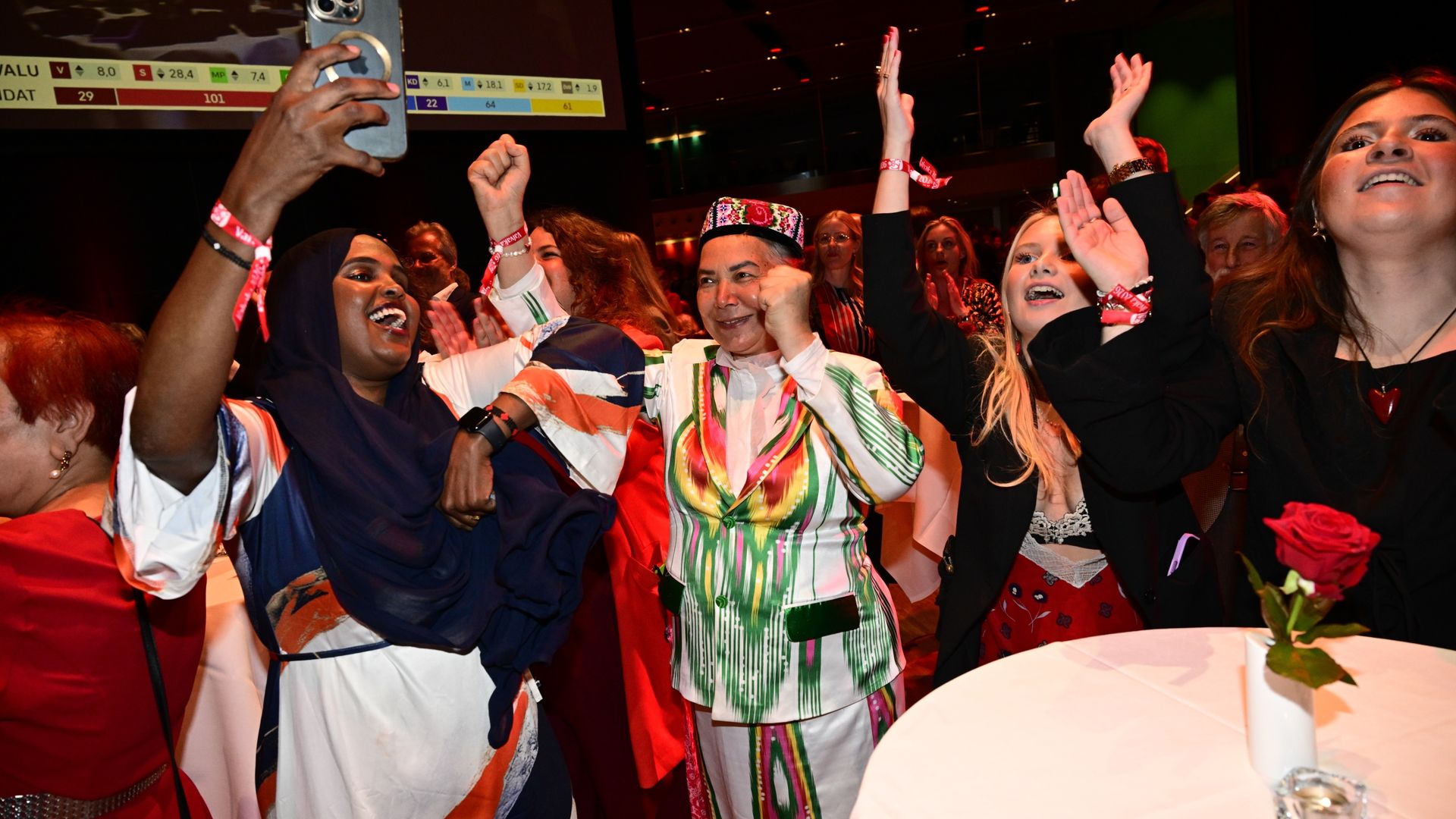
Preliminary Swedish election results show the left-wing opposition bloc with a slim one-seat advantage over the right-wing coalition.
Preliminary results from Sweden's national election suggest a razor-thin one-seat lead for the left-wing opposition over the incumbent right-wing coalition. The outcome, if it holds, could signal a shift in the country's political landscape following a period of right-wing governance.
This election was closely watched both domestically and internationally, with particular focus on the far-right Sweden Democrats' performance and their potential influence on policy. The preliminary results indicate a tight race, underscoring the deeply divided political sentiment within the nation.
The Social Democrats, the largest party in the left bloc, appear to have maintained a significant portion of their support. However, the overall balance of power between the two blocs remains precarious, with the final tally expected to be very close. Prime Minister Ulf Kristersson's right-wing coalition, which includes the Moderate Party and the Christian Democrats, faces a challenging path forward based on these early figures.
The implications of these preliminary results are substantial. A narrow victory for the left could lead to policy shifts on issues ranging from immigration to climate change, potentially reshaping Sweden's approach to key national and international challenges. Conversely, a very close result for the right could still allow them to form a government, albeit with a potentially weaker mandate.
Historically, Sweden has been dominated by center-left governments, but the political climate has shifted in recent years, with right-wing parties gaining traction. The Sweden Democrats, in particular, have seen a steady rise in their electoral support, becoming a significant force in national politics.
Reactions to the preliminary results have been mixed, reflecting the divided electorate. Supporters of the left bloc have expressed cautious optimism, while the right-wing parties are likely analyzing the figures to understand where they lost ground. The final results will be crucial in determining the composition of the next government and its policy agenda.
Analysts are pointing to several factors that may have influenced voter behavior, including concerns about the economy, public services, and social cohesion. The preliminary outcome suggests that voters are seeking different directions for the country, leading to a highly competitive electoral environment.
As the counting continues and final results are tabulated, the political future of Sweden remains uncertain. The narrow margin highlights the importance of every vote and the potential for significant political realignments depending on the definitive outcome.
This article was written by AI based on publicly available news reporting. Original reporting by the linked source.