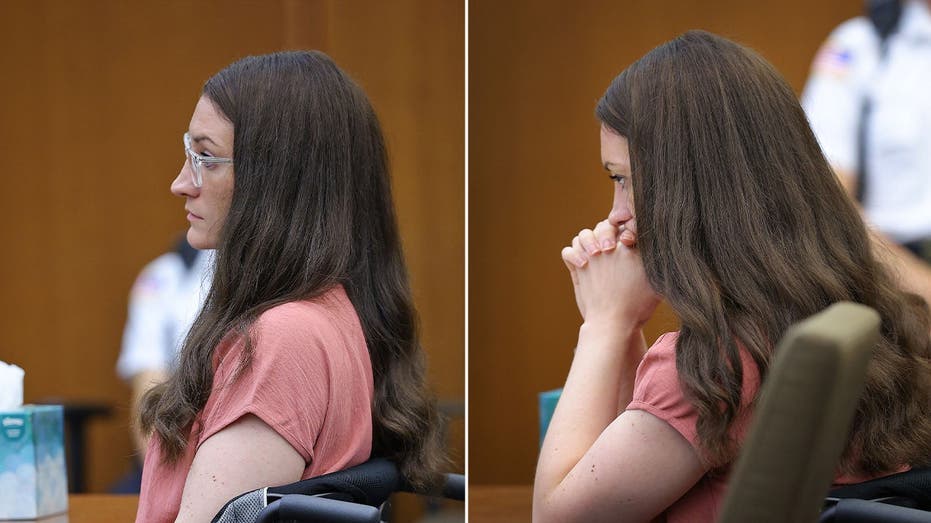
Lindsay Clancy defense wins 'extremely helpful' psychosis concession from prosecution
A key prosecution expert conceded psychosis can coexist with planning, a significant win for Lindsay Clancy's defense team.
The defense team for Lindsay Clancy, accused of murdering her three young children, has secured a "extremely helpful" concession from a prosecution expert witness regarding the nature of psychosis.
Dr. Katey Stone, a forensic psychologist called by the prosecution, testified that a person experiencing psychosis can still be capable of planning and executing actions, a crucial point for Clancy's legal team who are building a defense around her severe mental state.
During cross-examination, Stone acknowledged that psychosis does not inherently preclude the ability to form intent or engage in deliberate behavior. This testimony, according to Clancy's defense attorney Kevin Reddington, significantly aids their argument that Clancy's actions, however horrific, were a product of profound mental illness rather than premeditated malice.
The defense plans to leverage this expert testimony to bolster their claim that Clancy was suffering from a psychotic break when she allegedly killed her children in January 2023, a defense strategy that hinges on convincing the jury of her diminished capacity.
This development comes as the trial navigates complex legal and psychological territory, with the defense aiming to demonstrate that Clancy's mental state, characterized by postpartum psychosis, rendered her unable to understand the wrongfulness of her actions. The prosecution, conversely, seeks to prove that Clancy was aware of her actions and their consequences.
The defense has consistently highlighted Clancy's documented history of mental health struggles, including postpartum depression and psychosis, as central to her defense. They argue that her severe mental state prevented her from forming the necessary criminal intent.
Legal experts suggest that the expert's concession, while not a definitive win for the defense, opens a critical avenue for argument. The jury will ultimately need to weigh the expert testimony against other evidence presented during the trial to determine Clancy's mental state at the time of the incident.
Further testimony is expected to delve deeper into the specifics of Clancy's mental health history and the expert opinions on her capacity at the time of the alleged offenses, with the defense likely to call their own mental health experts to further support their case.
This article was written by AI based on publicly available news reporting. Original reporting by the linked source.