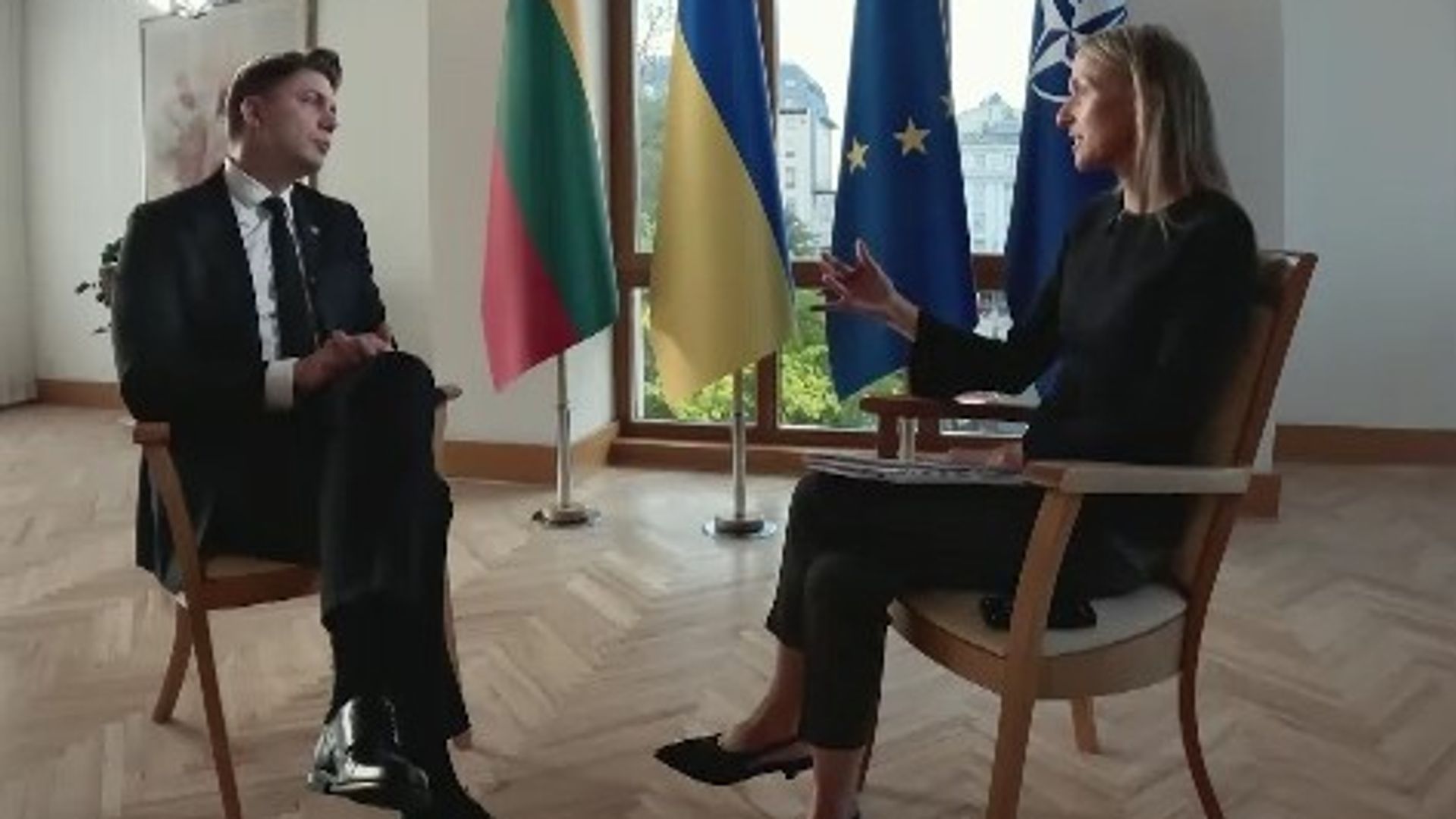
Lithuania PM: NATO Ready for 'Huge' Response to Russian Aggression
Lithuanian Prime Minister Ingrida Šimonytė expressed strong confidence in NATO's robust military response should Russia initiate an attack.
Lithuanian Prime Minister Ingrida Šimonytė conveyed a resolute message of confidence regarding NATO's preparedness and commitment to collective defense, stating that the alliance would mount a "huge" response if Russia were to launch an attack.
Given Lithuania's geographical proximity and historical experiences with Russia, the nation remains acutely aware of potential threats. This awareness underpins the Prime Minister's assurance of NATO's unwavering stance against any act of aggression.
Šimonytė's remarks underscored the unified resolve within the North Atlantic Treaty Organization to uphold its principles of mutual defense. The alliance's readiness is bolstered by continuous military exercises and strategic planning aimed at deterring potential adversaries.
The Prime Minister's statement highlights the current geopolitical climate, where discussions around defense capabilities and alliance solidarity are paramount. The confidence expressed by Šimonytė suggests that NATO members are aligned on the severity of potential threats and the necessity of a decisive response.
Lithuania, as a frontline state, has consistently advocated for a strengthened NATO presence on its eastern flank. The country has actively participated in discussions and initiatives aimed at enhancing the security architecture of the region. Its historical context, including periods of occupation, lends significant weight to its perspective on regional security challenges.
NATO's defense plans are multifaceted, encompassing military readiness, intelligence sharing, and political cooperation among its 32 member states. The alliance's commitment to Article 5 of the North Atlantic Treaty, which states that an attack against one member is an attack against all, remains a cornerstone of its security guarantee.
While specific details of NATO's contingency plans are classified, the scale of the "huge" response indicated by Prime Minister Šimonytė implies a comprehensive and overwhelming military deployment. This would likely involve significant troop movements, air and naval assets, and advanced weaponry from across the alliance.
The ongoing situation in Eastern Europe continues to be a focal point for international security discussions. Prime Minister Šimonytė's assertion serves as a clear signal to any potential aggressor about the severe consequences of challenging NATO's collective security.
This article was written by AI based on publicly available news reporting. Original reporting by the linked source.