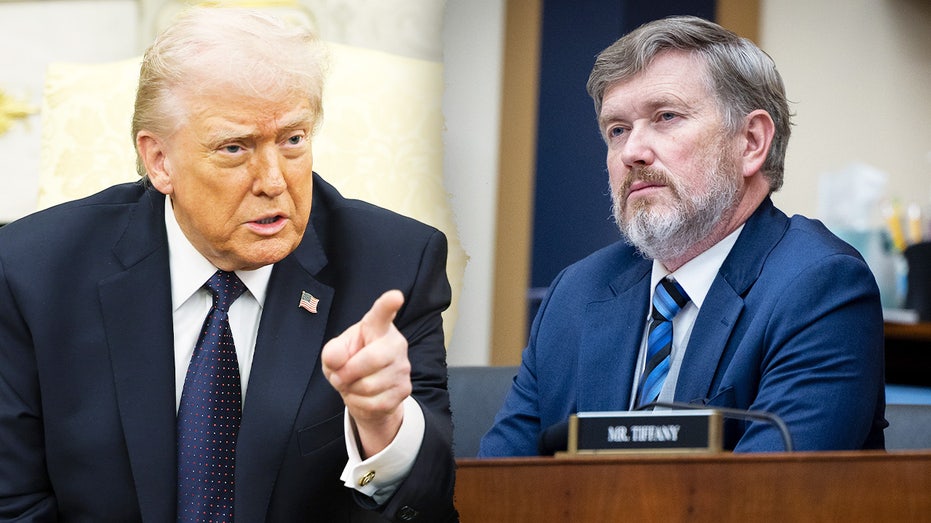
Massie Joins Democrats in Suit Against White House Over Iran War Powers
Representative Thomas Massie is collaborating with Democrats to sue the White House, asserting the Iran war has weakened the U.S.
Representative Thomas Massie has joined a group of House Democrats in filing a lawsuit against the Trump administration, challenging the legality of U.S. military actions against Iran. The unprecedented move marks a significant bipartisan effort to assert congressional war powers.
The lawsuit, filed in federal court, argues that President Trump has engaged in unconstitutional military action without the explicit authorization of Congress, a power reserved for the legislative branch under the U.S. Constitution. Critics contend that these actions have not only escalated tensions but have also potentially drawn the United States into a protracted conflict without proper oversight.
Massie, a Republican known for his libertarian leanings and skepticism of foreign interventions, stated that the conflict with Iran has "significantly weakened" America. He believes these actions are being pursued "all for Israel," suggesting a foreign policy driven by external interests rather than American national security. The Democrats joining the suit echo concerns about the executive branch overstepping its authority.
This legal challenge underscores a growing frustration among some lawmakers regarding the president's unilateral authority in foreign policy and military engagements. The suit seeks to compel the White House to cease hostilities and adhere to the War Powers Resolution, which requires presidents to consult with Congress before introducing U.S. armed forces into hostilities or situations where imminent involvement in hostilities is clearly indicated by the circumstances.
Legal experts note that such lawsuits face significant hurdles, including establishing standing and demonstrating direct harm. However, the coalition's formation highlights a rare alignment between conservative and progressive factions on issues of presidential power and foreign intervention.
The timing of the lawsuit is critical, as regional tensions remain high. Lawmakers are increasingly concerned about the potential for a wider conflict in the Middle East and the economic and human costs associated with it. The suit aims to reassert the constitutional balance of power, ensuring that decisions about war and peace are made with legislative input.
Critics of the administration's policy toward Iran have pointed to a lack of transparency and a perceived disregard for congressional prerogatives. They argue that the president's actions have bypassed established democratic processes, potentially leading to unintended consequences and a diminished role for the United States on the global stage.
The outcome of this lawsuit could have significant implications for the future balance of power between the executive and legislative branches regarding foreign policy and the use of military force. It sets a precedent for how Congress can challenge presidential actions when it believes constitutional boundaries have been crossed.
This article was written by AI based on publicly available news reporting. Original reporting by the linked source.