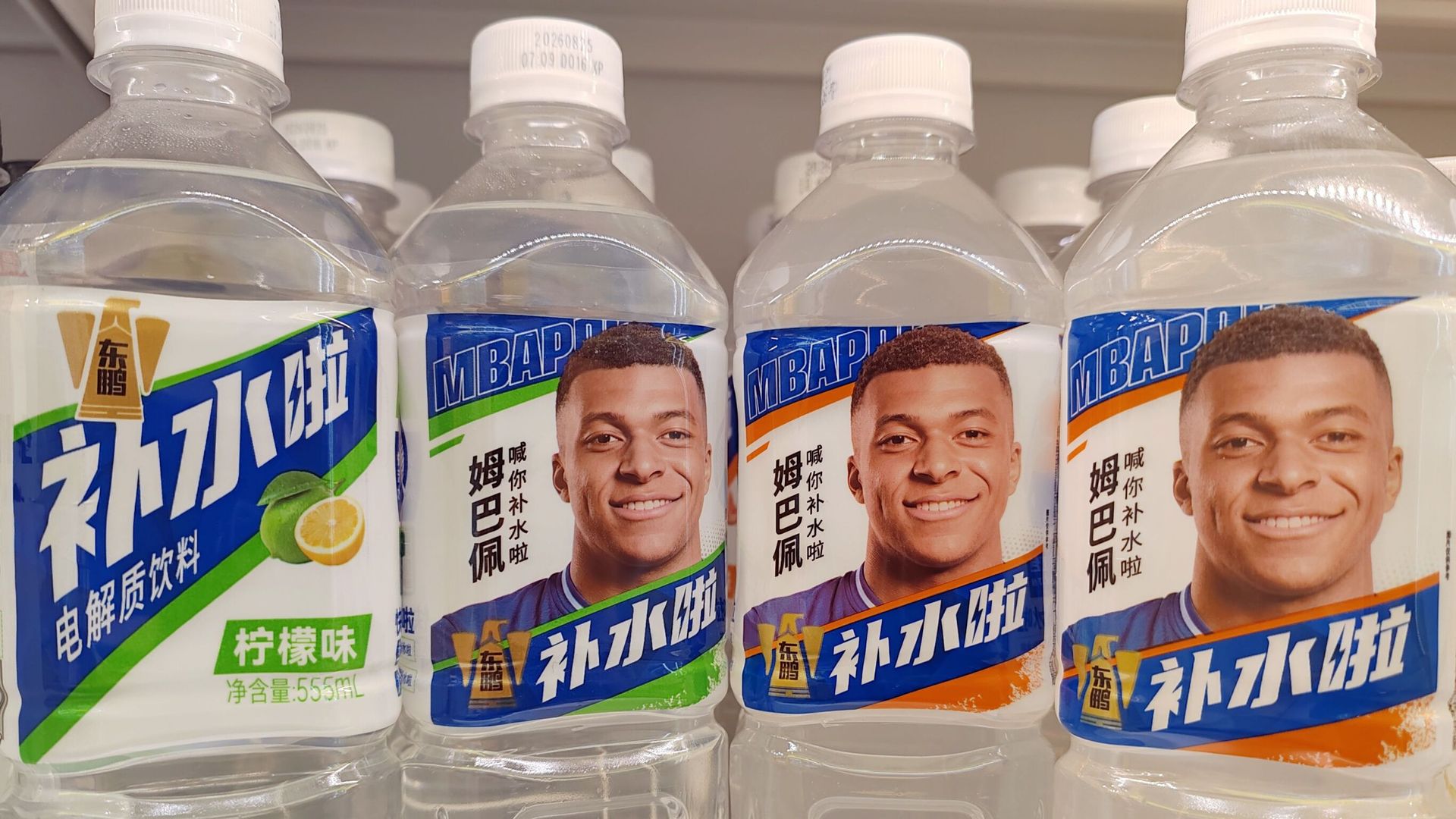
Mbappe Dropped By Chinese Brands Over Alleged 'Dictator' Remark
Kylian Mbappe faces backlash in China as at least three brands sever ties following his apparent reference to Mao Zedong as a dictator.
French football superstar Kylian Mbappe has seen at least three Chinese companies end their partnerships following remarks that appeared to label Mao Zedong, the founder of the People's Republic of China, a dictator. The incident has led to significant backlash in China and resulted in the swift termination of endorsement deals.
The controversy stems from an interview where Mbappe, when asked about his thoughts on the historical figure, used a term that was interpreted by many in China as derogatory and a direct insult. While the exact context and intent of his statement are debated, the perception in China was clear and led to widespread condemnation on Chinese social media platforms.
Several brands, including a popular sportswear manufacturer and two other companies involved in consumer goods and technology, announced their decisions to cease collaborations with the World Cup winner. These companies cited a commitment to respecting Chinese history and culture as the reason for their actions, emphasizing that Mbappe's alleged comments were unacceptable.
The rapid severing of ties highlights the sensitivity surrounding historical figures in China and the significant commercial risk associated with perceived disrespect. For global celebrities and brands, navigating these cultural and political sensitivities has become increasingly crucial for maintaining market access and public image in China.
Mao Zedong remains a revered figure for many in China, and any perceived insult to his legacy can provoke a strong nationalistic response. While the French striker has a substantial following in China, this incident has severely damaged his standing among a significant segment of the Chinese public and the business community.
This is not the first time a foreign celebrity has faced consequences for remarks deemed offensive in China. Past incidents involving other international figures have also resulted in boycotts, canceled events, and loss of endorsement deals, underscoring the stringent expectations placed on public figures operating within the Chinese market.
Mbappe's representatives have not yet issued a detailed statement addressing the controversy or the terminated contracts. The long-term impact on his brand endorsements and future opportunities in China remains uncertain, though the immediate fallout has been substantial.
The situation raises questions about the balance between freedom of expression and cultural respect, particularly for global icons who engage with diverse audiences. The incident serves as a stark reminder of the complexities of international celebrity and the potential for cultural missteps to have significant commercial repercussions.
This article was written by AI based on publicly available news reporting. Original reporting by the linked source.