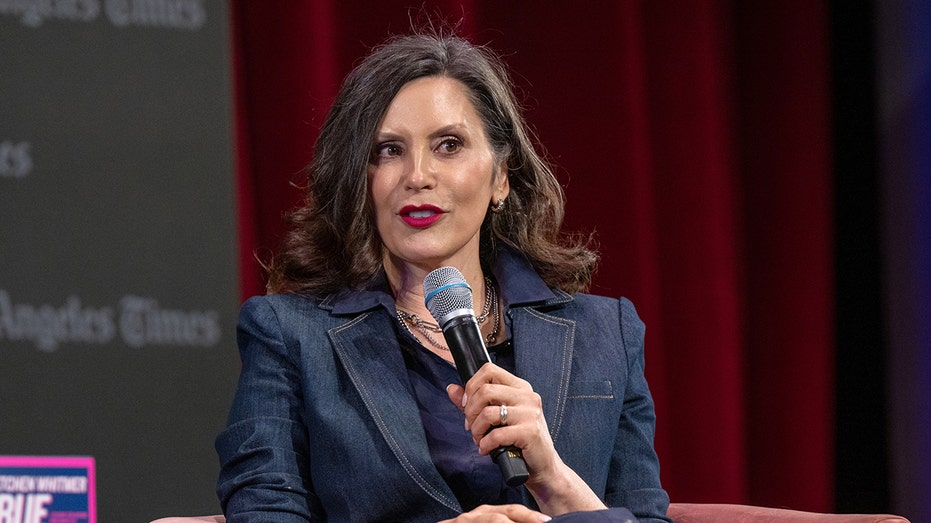
Michigan Governor Gretchen Whitmer Rules Out 2028 Presidential Run
Michigan Governor Gretchen Whitmer has definitively stated she will not seek the presidency in 2028, ending persistent speculation.
Michigan Governor Gretchen Whitmer has officially declared she will not be a candidate for president in the 2028 election, putting an end to ongoing speculation about her potential White House ambitions.
Whitmer, a prominent Democrat, has been frequently mentioned as a possible contender for her party's nomination in the next presidential cycle. Her public profile has grown significantly during her tenure as governor, particularly following her role in the 2020 election and her responses to various national issues.
While specific details of her announcement were not provided in the initial reports, the governor's statement directly addresses and negates the persistent rumors that have followed her political career. She indicated that she would not be among the candidates seeking the presidency in 2028.
This decision removes a potentially significant figure from the nascent discussions surrounding the 2028 Democratic field. Her absence could reshape strategies for other potential candidates and influence the broader political landscape as the party looks to identify its next leader.
Supporters have often pointed to Whitmer's electoral success in a key swing state like Michigan as evidence of her broad appeal. Her ability to win and govern in a state with a diverse electorate has been seen as a strong indicator of her potential viability on a national stage. However, the governor's clear statement now redirects focus away from her presidential aspirations.
Prior to this definitive statement, Whitmer had navigated questions about her national ambitions with a consistent focus on her gubernatorial duties. She has been instrumental in legislative efforts and policy initiatives within Michigan, often drawing national attention for her administration's work.
The speculation surrounding Whitmer's presidential prospects has been a recurring theme in political commentary, particularly after the 2020 election cycle. Her decisive win in 2022 for a second term as governor further fueled these discussions.
With Whitmer's declaration, the focus now shifts to other potential candidates and the evolving dynamics of the Democratic Party's future leadership. Her decision leaves a notable vacancy in the speculative field, prompting further analysis of who might emerge as leading contenders for the 2028 nomination.
This article was written by AI based on publicly available news reporting. Original reporting by the linked source.