Michigan Senate Race Too Close to Call as El-Sayed Leads Stevens
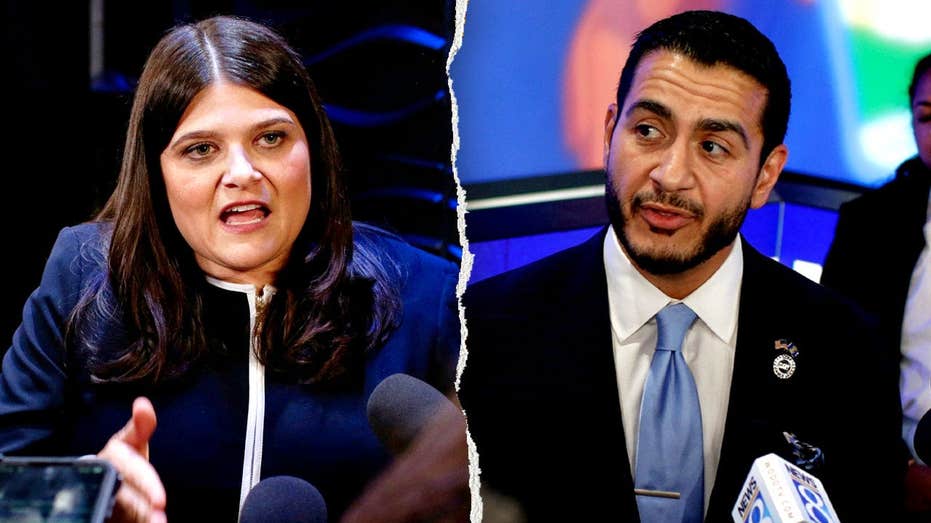
The Michigan Senate primary remains undecided with Abdul El-Sayed holding a narrow lead over fellow Democrat Haley Stevens.
The race for the Michigan Senate seat is too close to call, with progressive candidate Abdul El-Sayed currently holding a slim lead over establishment-backed incumbent Haley Stevens. The primary election, held Tuesday, has highlighted deep divisions within the Democratic party in the crucial battleground state.
This contest is seen as a significant indicator of the Democratic party's direction heading into the 2026 midterm elections. The outcome will determine which wing of the party gains momentum and influence in Michigan, a state that has swung between parties in recent election cycles.
As of Wednesday morning, El-Sayed, a former Detroit health director and self-identified democratic socialist, was reportedly ahead of Stevens, a two-term congresswoman, by a narrow margin. The final tally is pending the counting of absentee ballots, which could take several days.
The close race reflects a broader national struggle within the Democratic party between its progressive and moderate factions. Both candidates have been actively campaigning across the state, each seeking to energize their respective bases and appeal to undecided voters.
El-Sayed's campaign has focused on issues such as healthcare access, climate change, and economic inequality, resonating with a segment of the party that has pushed for more aggressive policy changes. His supporters view him as a champion for working families and a voice for those often overlooked by the political establishment.
Stevens, on the other hand, has emphasized her experience in Congress and her commitment to working across the aisle. Her campaign has highlighted her legislative achievements and her alignment with more centrist Democratic priorities, aiming to present herself as a pragmatic and effective leader.
The tight race underscores the challenges Democrats face in uniting their diverse coalition. Regardless of who ultimately wins, the divisions exposed in this primary could have lasting implications for the party's ability to campaign effectively in the general election and beyond.
With the final results still uncertain, both campaigns are awaiting the official count, and the broader implications for Michigan's political landscape and the national Democratic party remain to be seen.
This article was written by AI based on publicly available news reporting. Original reporting by the linked source.