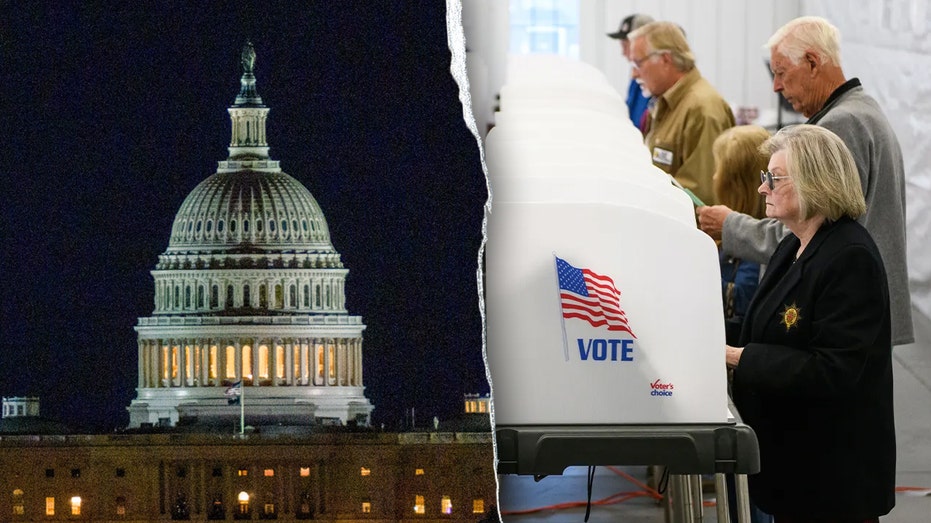
Midterm Candidates Expose Parties' Selective Outrage Over Scandals
Midterm election candidates are highlighting a double standard in how political parties react to scandals, revealing selective outrage.
The current midterm election cycle is inadvertently exposing a significant hypocrisy within both major American political parties: their tendency towards selective outrage when scandals involving their own members or allies arise. Candidates facing scrutiny for past actions or controversial statements are forcing a reckoning with how each party chooses to address or ignore transgressions, depending on political expediency.
This phenomenon is not new to American politics, but the intensity and visibility of the current election cycle are bringing it to the forefront. Voters are increasingly observing instances where similar types of scandals elicit vastly different responses from Democrats and Republicans. What one party condemns in an opponent, it may downplay or defend when the same behavior is exhibited by one of its own.
Several high-profile midterm races have become flashpoints for this issue. Candidates have been criticized for past remarks, alleged ethical lapses, or questionable associations. The ensuing reactions from party leadership and media surrogates often reveal a calculated approach, prioritizing the protection of a candidate who is deemed essential for electoral success over consistent adherence to ethical standards.
The implications of this selective outrage extend beyond individual races. It contributes to a broader erosion of public trust in political institutions. When voters perceive that accountability is applied inconsistently, it can foster cynicism and disengagement from the political process. Furthermore, it raises questions about the genuine commitment of parties to the principles they claim to uphold.
Experts in political communication and ethics suggest that this strategy, while potentially effective in the short term for securing victories, carries long-term risks. It can alienate moderate voters and embolden critics who accuse the parties of a lack of integrity. The focus shifts from policy debates to character assessments, often fueled by partisan attacks.
Historically, both parties have engaged in similar tactics. However, the hyper-partisan environment of recent years has amplified these tendencies. Social media and a fragmented news landscape allow for the rapid dissemination of both accusations and defenses, often bypassing traditional gatekeepers and contributing to an echo chamber effect.
The current situation presents a challenge for party leaders who must navigate the delicate balance between defending their candidates and maintaining a semblance of moral authority. The effectiveness of these strategies will likely be tested in the upcoming elections, as voters weigh the substantive issues against the perceived hypocrisies of the political class.
Ultimately, the ongoing midterm elections serve as a stark reminder of the complex and often contradictory nature of political accountability. The question remains whether voters will prioritize party loyalty or demand a more consistent application of ethical standards from their elected officials.
This article was written by AI based on publicly available news reporting. Original reporting by the linked source.