Misinformation and Hardened Policy Fueled Ceuta Migrant Crisis
A surge of migrants into Ceuta, amplified by misinformation and right-wing opportunism, highlights Europe's ongoing migration challenges.
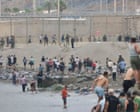
Last week, approximately 72,000 migrants attempted to cross into Ceuta, a small Spanish enclave bordering Morocco. While most returned within 24 hours, local officials reported at least 88 deaths during the perilous journey.
This event in Ceuta, while appearing to be a significant influx, is part of a larger, recurring pattern observed in Europe since the 2015 refugee crisis. As legal avenues for migration become increasingly restricted, individuals are compelled to undertake dangerous illegal crossings, leading to humanitarian tragedies and providing fodder for political narratives.
Despite the scale of the event, EU interior ministers have sought to downplay the threat to the Schengen area, asserting that the passport-free zone was never truly at risk. However, much of the media coverage framed the situation as a territorial threat, intensifying calls for enhanced border security.
Journalist Daniel Trilling, who covers refugees and migration, noted that such tragedies are likely to persist as long as political actors seek to capitalize on migration crises. He highlighted how images and rumors, often amplified by right-wing opportunism, can overshadow the factual realities on the ground.
The situation in Ceuta underscores the complex interplay of hardened immigration policies, the spread of misinformation, and the human cost of desperate migration attempts. The influx, though largely temporary, generated dramatic imagery that has been leveraged to advocate for more stringent border controls and restrictive policies across Europe.
Experts suggest that the limited legal pathways for asylum seekers and migrants contribute directly to the dangerous bottlenecks and humanitarian crises witnessed at Europe's borders. When official channels are perceived as inaccessible or insufficient, individuals are forced to rely on smugglers and risk their lives in attempts to reach safety or opportunity.
The response from European authorities, while aiming to reassure the public about the integrity of the Schengen area, also reflects a broader political strategy to manage public perception and justify existing or future restrictive measures. The focus on security and border control often overshadows the root causes of migration and the plight of those undertaking the journeys.
Unresolved questions remain regarding the long-term impact of such events on migration policies, the effectiveness of current border management strategies, and the ongoing challenge of combating misinformation that distorts public understanding of migration realities.
This article was written by AI based on publicly available news reporting. Original reporting by the linked source.