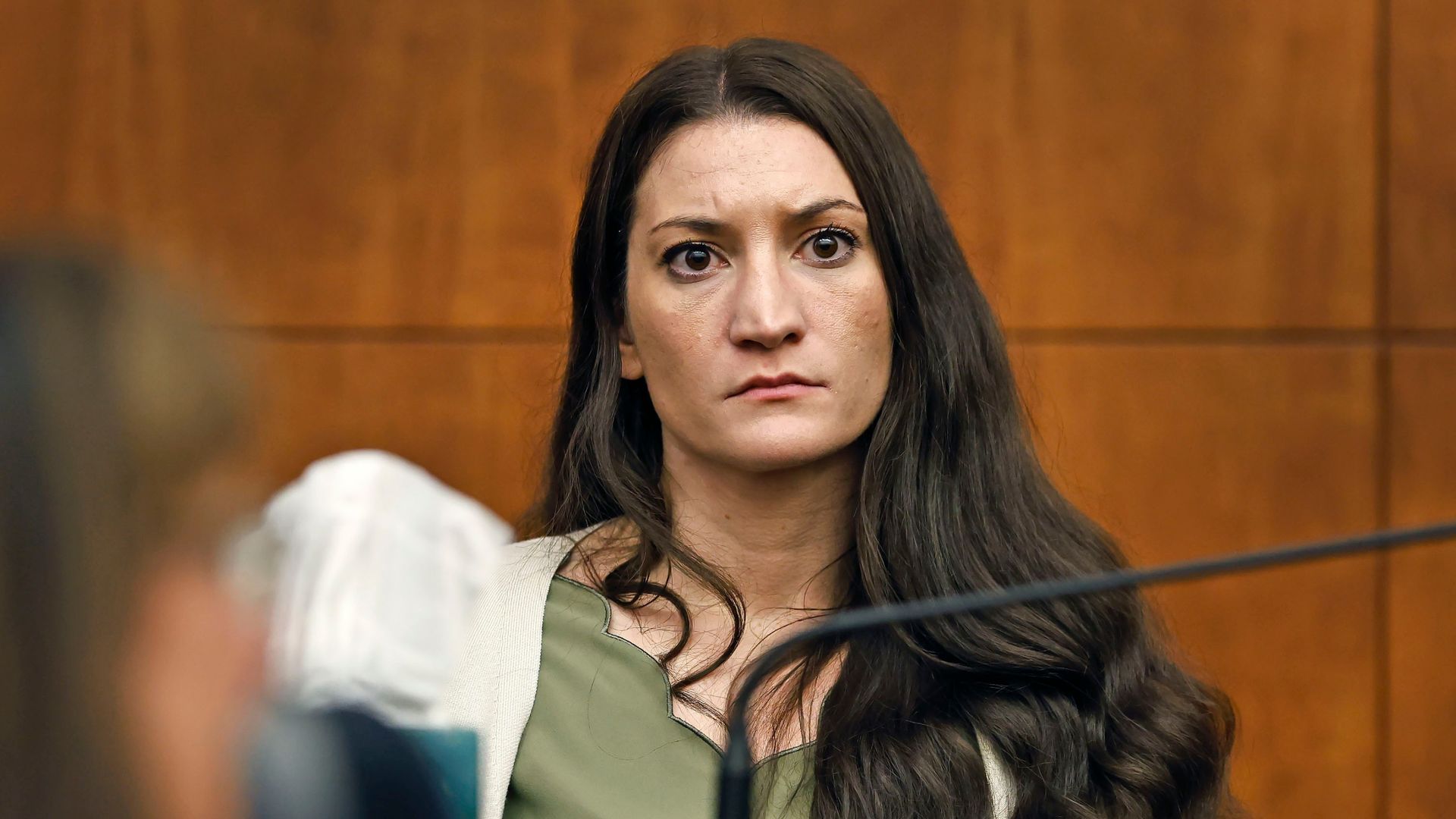
Mistrial Declared: Lindsay Clancy Jury Deadlocked, New Trial Possible
A mistrial was declared in the Lindsay Clancy case Friday evening after the jury could not reach a unanimous verdict.
A mistrial has been declared in the case of Lindsay Clancy after a jury failed to reach a unanimous decision, prompting a potential new trial. Judge William Sullivan formally announced the mistrial late Friday evening.
The proceedings had been underway, with jurors deliberating for an extended period without agreement on a verdict. The inability of the jury to reach a consensus means the legal process has reached an impasse, leaving the future of the case uncertain.
Details regarding the specific points of contention among the jurors were not immediately released. However, the deadlock signifies significant disagreement within the jury, preventing them from fulfilling their duty to deliver a unanimous verdict as required by law.
With a mistrial now declared, prosecutors will have to decide whether to pursue a new trial against Clancy. This decision will likely involve a review of the evidence presented, the jury's deliberations, and the likelihood of achieving a different outcome in a future proceeding.
The legal framework allows for retrials in cases where a jury cannot reach a unanimous verdict, provided the prosecution chooses to proceed. This can involve selecting a new jury and presenting the case again, potentially with modified strategies or additional arguments.
Legal experts note that the decision to retry a case after a mistrial depends on various factors, including the strength of the evidence, the nature of the jury's deadlock, and the resources available for a new prosecution. In some instances, a mistrial can lead to plea negotiations or the eventual dismissal of charges.
Further proceedings will depend on the prosecution's intentions. If a new trial is pursued, it would recommence the legal process, including jury selection, evidence presentation, and closing arguments, before a new panel of jurors.
The outcome of this decision will determine the next steps for Lindsay Clancy and the involved legal parties, marking a significant juncture in the ongoing legal proceedings.
This article was written by AI based on publicly available news reporting. Original reporting by the linked source.