Moroccans Search Ceuta Border for Missing Loved Ones as Death Toll Climbs
Hundreds in Morocco anxiously await news of missing relatives near Ceuta border as the death toll from a mass crossing nears 100.
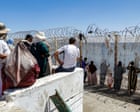
Hundreds of people have gathered in the northern Moroccan town of Fnideq, near the border with Spain’s Ceuta, desperately searching for missing loved ones. They are displaying photographs of their relatives in the hope of finding them among the thousands who crossed into the Spanish territory in recent days.
The gatherings in Fnideq highlight the human cost of the mass migration event that saw an estimated 72,000 people make their way into Ceuta. While Spain has since returned approximately 70,000 individuals to Morocco, the focus on the Moroccan side of the border has shifted to the mounting death toll and the numerous people still unaccounted for.
Local officials report at least 88 deaths in Ceuta and another 11 in Morocco, with dozens more still missing. Many gathered at the border have not heard from their family members since the surge began. "I have just one son," said Hadijja, who traveled from Tangier. "I haven’t had any news of him; he’s not answering his mobile phone."
Spain's interior minister stated on Tuesday that around 70,000 people who crossed into Ceuta have been returned to Morocco. This figure leaves an estimated 2,000 individuals still in the Spanish territory. The exodus was reportedly fueled by social media posts suggesting Morocco was allowing people to cross.
Families like Hadijja's are caught in a harrowing limbo, scanning the constant stream of returnees for familiar faces. The journey to Ceuta is often perilous, undertaken by individuals seeking better economic opportunities or fleeing difficult circumstances in their home countries.
The situation has prompted urgent discussions among European Union interior ministers, who held an emergency videoconference to address the crisis and its implications for border security and migration management.
Unemployed youth, like Hadijja's son, are often among those attempting such dangerous crossings. The hope of finding work and a better life drives many to take extreme risks, with devastating consequences when the crossing goes wrong.
As the immediate crisis of the mass crossing subsides, the lingering questions revolve around the fate of the missing, the ongoing humanitarian impact on families, and the long-term strategies for managing migration flows across the Mediterranean.
This article was written by AI based on publicly available news reporting. Original reporting by the linked source.