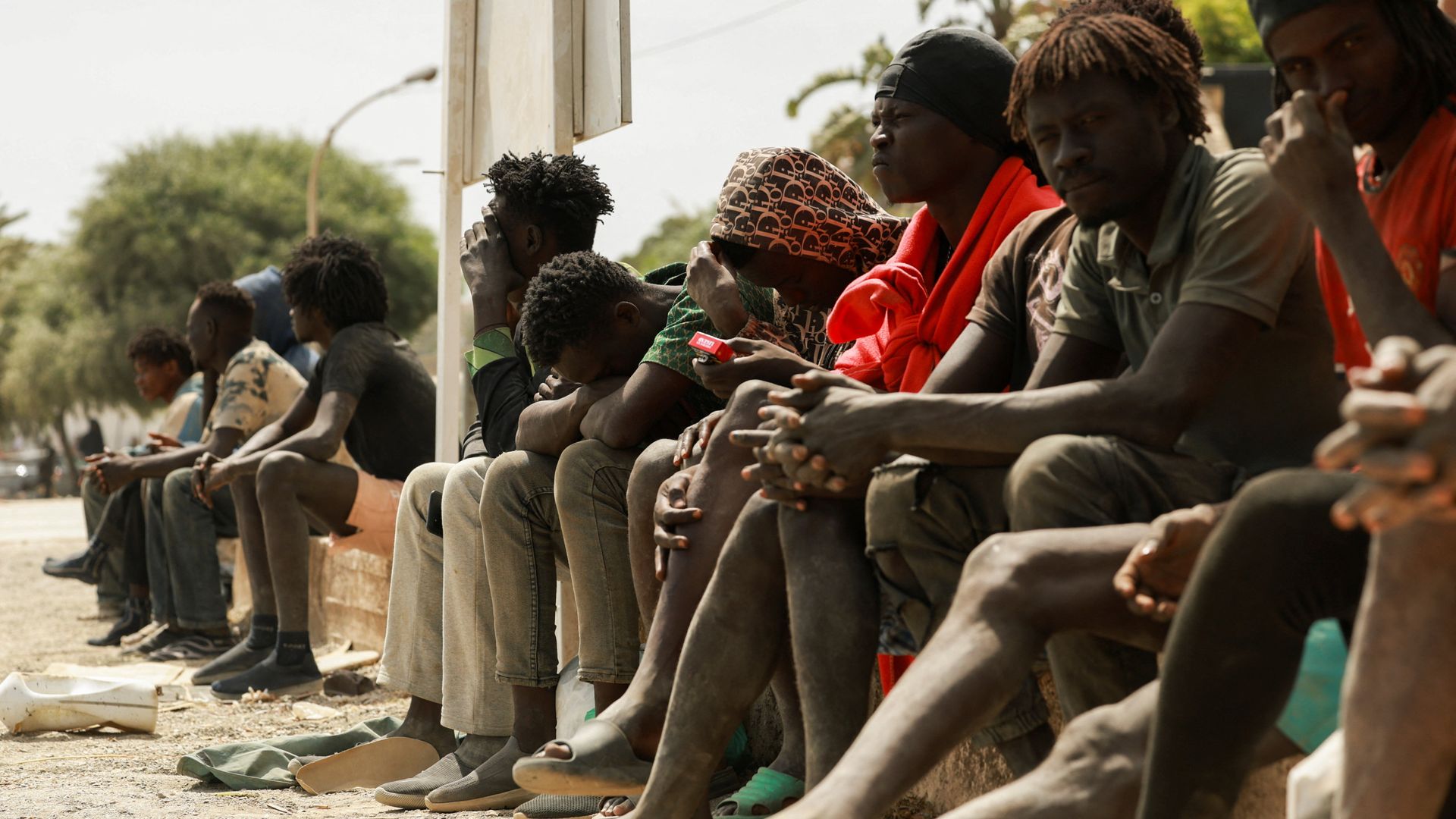
Thousands of Migrants Stranded in Ceuta After Deadly Border Breach
Thousands of migrants are now in Ceuta, a Spanish enclave, following a deadly mass rush from Morocco last week.
Thousands of migrants are currently in the Spanish enclave of Ceuta, a situation that has persisted following a large-scale influx from Morocco last week. The enclave's president confirmed the ongoing presence of these individuals, highlighting the humanitarian and logistical challenges.
The surge in migrant arrivals occurred over several days, with thousands managing to cross the fortified border fence separating Ceuta from Moroccan territory. This event marks one of the largest and most dramatic attempts by migrants to enter the European Union via this route in recent memory. The enclave, a small Spanish territory on the North African coast, is a frequent focal point for irregular migration.
Reports indicate that the border crossing was not only massive but also resulted in fatalities and numerous injuries on both sides of the border. Spanish and Moroccan authorities have been engaged in efforts to manage the situation, including returning some migrants and providing assistance to others. The exact number of migrants remaining and their conditions are still being assessed.
The implications of this mass arrival are significant for both Spain and the European Union. Ceuta, with its limited resources, is struggling to accommodate the sudden increase in population. The incident also raises serious questions about border security, migration policies, and the humanitarian treatment of asylum seekers and migrants.
This event underscores the persistent pressures at Europe's southern borders. Migrants, often from sub-Saharan African countries, undertake perilous journeys in search of better opportunities and safety, frequently facing dangerous conditions and exploitation by human traffickers. The Spanish enclave of Ceuta, along with Melilla, has long been a destination for those attempting to reach Europe.
Both Spanish and Moroccan officials have been in communication to address the crisis. Morocco, which controls the territory surrounding Ceuta, has been urged to increase its efforts to prevent departures, while Spain has been tasked with managing those who arrive. The European Union is expected to provide support to Spain in handling the situation, both financially and operationally.
Discussions are ongoing regarding the legal status and future of the thousands of migrants now in Ceuta. Many are likely to seek asylum, a process that can be lengthy and complex. Humanitarian organizations are calling for swift and humane processing of claims and for adequate care to be provided to all individuals, particularly vulnerable groups like women and children.
Unresolved questions remain about the precise number of casualties during the border breach, the long-term strategy for managing migration flows through this route, and the effectiveness of current border control measures. The situation in Ceuta is likely to remain a critical issue in the coming weeks and months.
This article was written by AI based on publicly available news reporting. Original reporting by the linked source.