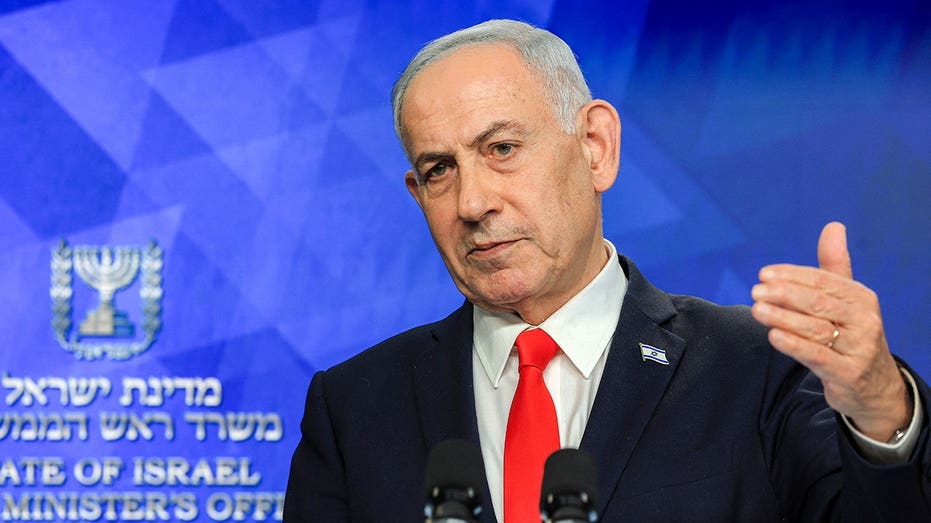
Netanyahu to Visit New York Amid Arrest Warrant Calls
Israeli Prime Minister Benjamin Netanyahu confirmed his intention to visit New York, defying calls for his arrest.
Israeli Prime Minister Benjamin Netanyahu has confirmed plans to visit New York City, moving forward with his trip despite calls from a prominent human rights lawyer for his arrest.
Netanyahu's visit comes amid ongoing international scrutiny and legal challenges related to actions taken during his government's tenure. The push for his arrest has been spearheaded by human rights attorney and Columbia University professor Achille Mbembe, who has reportedly urged authorities to consider issuing a warrant.
While specific details regarding the purpose of Netanyahu's visit to New York were not immediately disclosed, the Prime Minister's office has indicated that the trip will proceed as scheduled. The calls for his arrest highlight the contentious legal and political landscape surrounding the Israeli leader.
The potential implications of such a visit, particularly in light of legal demands for his detention, remain a subject of significant international interest. The situation underscores the complex interplay between political leadership and international legal frameworks.
Professor Mbembe, known for his work on postcolonialism and his advocacy for human rights, has been a vocal critic of Israeli policies. His efforts to pursue legal action against foreign leaders are part of a broader movement seeking accountability for alleged international law violations.
Previous instances of foreign leaders facing legal challenges abroad have led to complex diplomatic and legal situations. The outcome of these calls for Netanyahu's arrest could set precedents for future interactions between political figures and international legal bodies.
Netanyahu's government has consistently defended its actions on the international stage. The Prime Minister's decision to proceed with the visit suggests confidence in navigating any potential legal challenges or public opposition.
Further details about the itinerary and any engagements planned during the New York visit are expected to be released by the Prime Minister's office in the coming days.
This article was written by AI based on publicly available news reporting. Original reporting by the linked source.