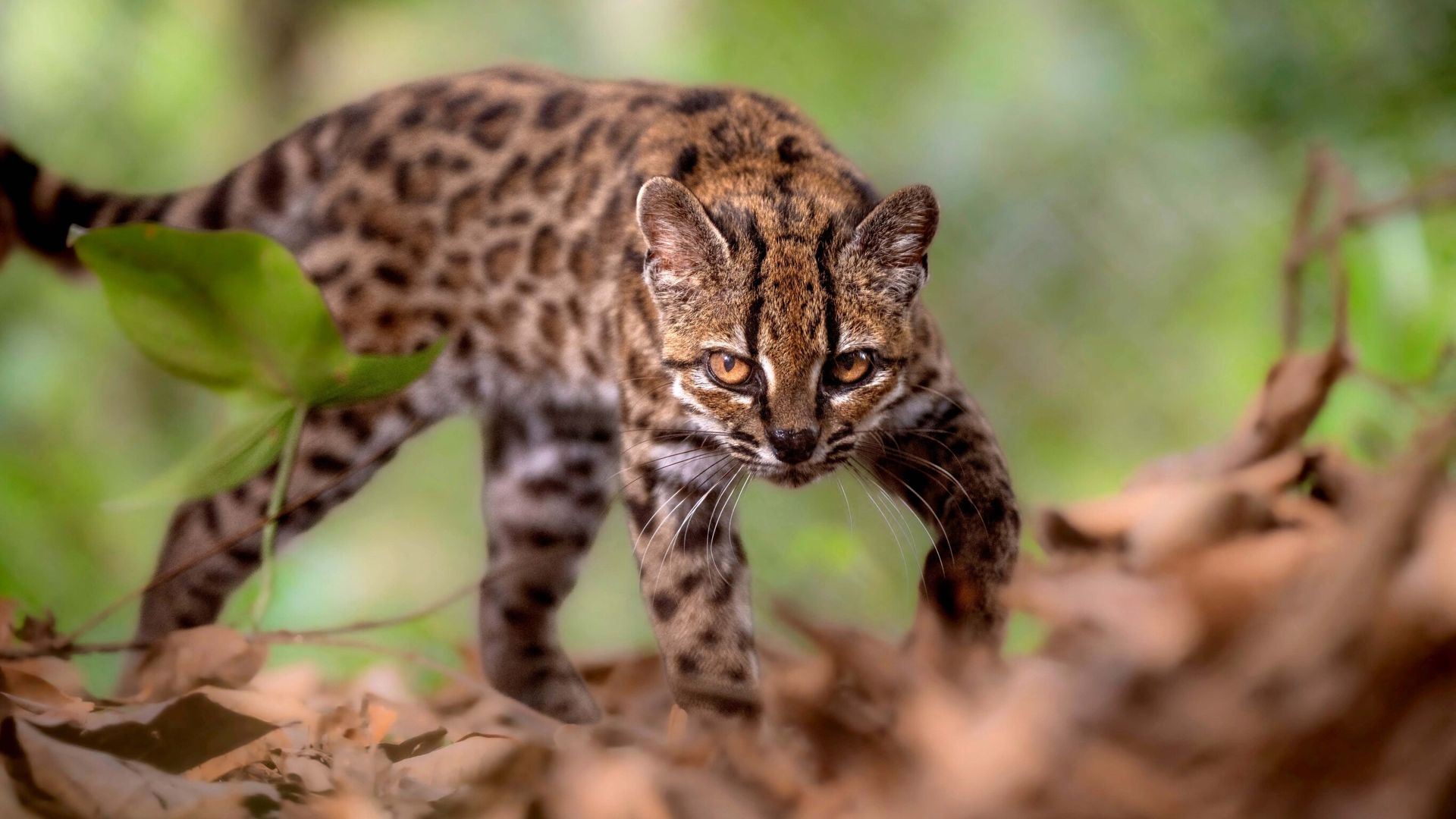
New Wild Cat Species Discovered in Bolivia, First in Over 100 Years
Scientists identified a new wild cat species in Bolivia, marking the first such discovery in South America in over a century.
A previously unknown species of wild cat has been identified in South America, marking a significant zoological discovery. The elusive feline was found in the remote regions of Bolivia, a country rich in biodiversity but still holding many secrets.
This identification is particularly noteworthy as it represents the first new wild cat species discovered on the continent in more than a century. The last such discovery was the Pampas cat (Leopardus pajeros) in the early 20th century, highlighting the rarity and importance of this find.
Researchers, through extensive fieldwork and genetic analysis, confirmed the distinctiveness of this new species. While details about its physical characteristics and behavior are still emerging, initial assessments suggest it possesses unique traits that differentiate it from known wild cat populations in the region. The scientific community is abuzz with the implications of this discovery for conservation efforts.
The discovery underscores the vastness of unexplored biodiversity in South America and the urgent need to protect these fragile ecosystems. It raises questions about what other species may still await discovery in the continent's dense forests and remote landscapes.
Further research is underway to understand the new species' ecological role, population size, and potential threats. Scientists aim to gather more data on its diet, habitat preferences, and reproductive patterns to inform conservation strategies. The findings will be crucial for ensuring the long-term survival of this newly identified feline.
The implications extend beyond the immediate scientific community. Conservation organizations are already discussing how this discovery might galvanize support for protecting the specific habitats where the cat was found. Increased awareness could lead to enhanced anti-poaching measures and habitat preservation initiatives.
Comparisons are being drawn to other recent discoveries of mammal species in remote tropical regions, emphasizing that even in the 21st century, significant new findings are possible. However, these discoveries often come at a time when many species are facing unprecedented threats from habitat loss and climate change.
As the scientific description of the new species is formally published, the world will gain a clearer picture of this remarkable addition to the known fauna. The ongoing study promises to reveal more about its evolutionary history and its place within the intricate web of life in South America, while also serving as a potent reminder of the planet's undiscovered natural wonders.
This article was written by AI based on publicly available news reporting. Original reporting by the linked source.