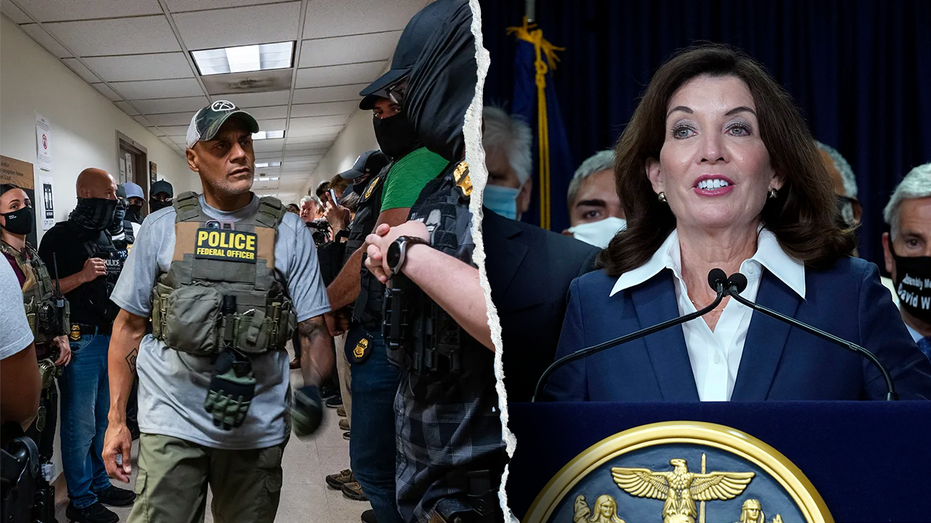
New York Governor Hochul Bans Local Police Cooperation With ICE
New York Governor Kathy Hochul announced a ban on local police partnerships with ICE, citing federal warnings about increased agent presence.
New York Governor Kathy Hochul has officially banned all local law enforcement agencies in the state from entering into agreements with U.S. Immigration and Customs Enforcement (ICE), a move she stated was made in response to federal warnings about increased ICE agent activity.
The decision, announced by Governor Hochul, prohibits local police departments from participating in programs like the 287(g) agreement, which allows state and local law enforcement to perform functions of immigration enforcement. This ban comes amid broader federal discussions and actions concerning immigration enforcement and border security.
Governor Hochul emphasized her administration's commitment to ensuring the safety and rights of all New Yorkers, stating that the ban aims to prevent potential overreach and protect immigrant communities from unwarranted federal scrutiny. The governor indicated she made the decision after receiving information suggesting an increase in federal immigration enforcement operations.
This policy shift could have significant implications for how immigration enforcement is conducted at the local level within New York. By severing these cooperative ties, the state is asserting a degree of autonomy in managing immigration-related issues and potentially reducing the direct involvement of local police in federal immigration matters.
The ban follows a period of heightened attention to immigration policies and enforcement strategies nationwide. Federal agencies, including the Department of Homeland Security (DHS), have been signaling potential changes and increased operational tempo, which appears to have prompted Governor Hochul's preemptive action.
While the exact nature of the federal warnings was not detailed, the governor's office framed the ban as a proactive measure to safeguard communities and maintain trust between local law enforcement and residents. The move is likely to be viewed differently by various stakeholders, with immigrant advocacy groups generally supporting the decision and others potentially raising concerns about its impact on federal enforcement capabilities.
This development places New York among states and localities that have sought to limit local police involvement in federal immigration enforcement, reflecting ongoing debates about the intersection of state, local, and federal authority in immigration matters. The long-term effects of this ban on both local policing and federal immigration operations remain to be seen.
Further details on the implementation and scope of the ban are expected as state agencies and local law enforcement agencies adjust to the new directive. The governor's office has not provided specific data on the number of local agreements affected by this prohibition.
This article was written by AI based on publicly available news reporting. Original reporting by the linked source.