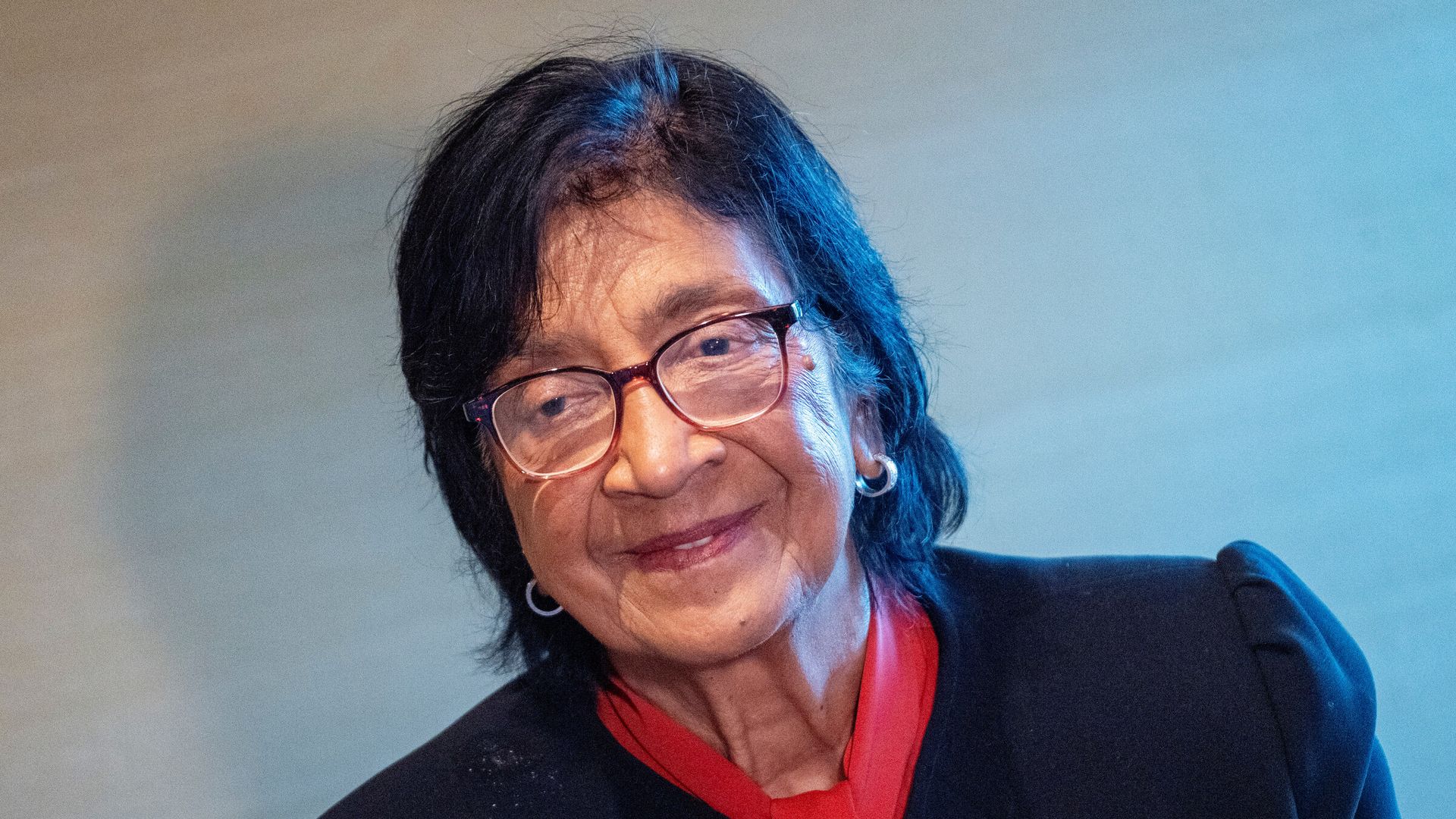
Nobel Laureate Denounces Trump's 'Unlawful' Attacks on ICC
This year's Nobel Peace Prize winner has labeled Donald Trump's criticisms of the International Criminal Court as 'unlawful,' 'negative,' and 'cruel.'
This year's recipient of the Nobel Peace Prize has publicly criticized former U.S. President Donald Trump for his persistent attacks against the International Criminal Court (ICC). The laureate described these actions as "completely unlawful" and characterized them as "negative and cruel."
The criticism comes in the wake of ongoing tensions between the United States under the Trump administration and the ICC. The court has sought to investigate alleged war crimes and crimes against humanity, including actions by U.S. forces in Afghanistan and by Israel in Palestinian territories. These investigations have drawn strong objections from Washington, which has accused the ICC of overreach and bias.
The Nobel Peace Prize winner emphasized the gravity of Trump's rhetoric and actions, particularly concerning any attempts to undermine the court's authority and operations. These attacks, the laureate suggested, not only harm the institution itself but also undermine the broader principles of international justice and accountability that the ICC aims to uphold.
The implications of these criticisms extend beyond the immediate dispute between the U.S. and the ICC. They highlight a growing divide between nations committed to international legal frameworks and those prioritizing national sovereignty above such global institutions. The Nobel laureate's intervention adds significant moral weight to the defense of the ICC and the international rule of law.
This is not the first time the ICC has faced external pressure. The court, established in 2002, has always operated in a complex geopolitical landscape, with some major powers, including the U.S., China, and Russia, not being full members. These non-member states often view the ICC with suspicion, fearing potential politically motivated prosecutions.
Former President Trump's administration took concrete steps against the ICC, including imposing sanctions on ICC officials involved in investigating U.S. personnel. These measures were intended to deter the court from proceeding with its investigations, which the U.S. deemed illegitimate and an infringement on its national sovereignty.
The Nobel laureate's statement underscores a fundamental disagreement over the role and legitimacy of international judicial bodies. While supporters argue the ICC is a crucial tool for ending impunity for the worst atrocities, critics, including Trump, have argued it unfairly targets certain countries and undermines national legal systems.
The controversy raises pertinent questions about the future of international justice. As the ICC continues its work, the stance of powerful nations and the support it receives from the international community, particularly from influential figures like Nobel laureates, will be critical in determining its effectiveness and long-term viability.
This article was written by AI based on publicly available news reporting. Original reporting by the linked source.