NYC's Upper East Side Legionnaires' Outbreak Claims Fifth Victim
A fifth person has died in New York City from Legionnaires' disease, with 82 cases identified on the Upper East Side.
A fifth person has died in New York City as a cluster of Legionnaires' disease continues to affect the city's Upper East Side neighborhood, health officials confirmed.
The outbreak has now resulted in at least 82 identified cases, with eight individuals remaining hospitalized as of Tuesday, according to the New York City Health Department. Since the cluster began, 56 patients have been discharged from medical care.
Health officials have advised residents in the affected ZIP codes, specifically 10028, 10075, and 10128, encompassing areas like Carnegie Hill and Yorkville, to seek medical attention if they develop flu-like symptoms. The incubation period for Legionnaires' disease can be up to 14 days after exposure.
Officials believe the source of the Legionella bacteria has likely been eradicated and are continuing to inspect cooling towers that tested positive. To date, 34 cooling towers across 33 buildings have been cleaned and disinfected. Test results for an additional 140 towers are pending.
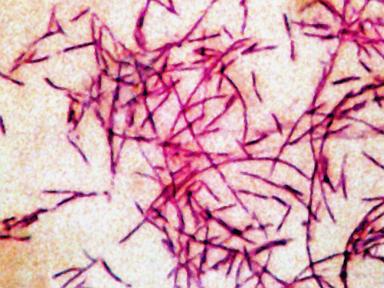
Legionnaires' disease is a severe form of pneumonia caused by inhaling Legionella bacteria, which are naturally found in freshwater but can multiply in warm water systems. The bacteria can become airborne in small water droplets and are inhaled, or can enter the lungs if contaminated water is accidentally ingested.
The disease typically does not spread from person to person. However, infections can occur when bacteria enter a building's water supply, including common sources like shower heads, faucets, hot water tanks, and cooling towers.
While most individuals recover with antibiotic treatment, certain populations, such as those who are immunocompromised or have chronic lung conditions, are at higher risk for severe complications, which can be fatal.
The Centers for Disease Control and Prevention (CDC) notes that Legionnaires' disease cases have seen an increase over the past decade, peaking in 2018. While cases decreased in the initial year of the COVID-19 pandemic, they rebounded in 2021.
This article was written by AI based on publicly available news reporting. Original reporting by the linked source.